
Architecture in an Age of Climate Change
The climate conversation has shifted. It’s no longer if buildings will be impacted by extreme weather, rising temperatures, or grid disruptions—it’s when, and how often. Resilient architecture isn’t about over-engineering for worst-case scenarios, it’s about designing smarter for real-world conditions that are evolving faster than our building codes can keep up.
Resilience means creating buildings that protect people, reduce energy dependency, and stand strong in environments that are becoming less predictable. And the good news? Many of the most effective resilience strategies are also the most elegant—because they start with passive design, not mechanical intervention.
Insulation: The Quiet Hero of Climate Resilience
In places where temperatures can swing wildly between seasons—and even within a single day—insulation is more than comfort. It’s survival strategy. A well-insulated building maintains stable interior conditions longer during power outages, reduces peak HVAC demand, and provides a buffer against extreme cold snaps or heat waves.
But not all insulation strategies are created equal. Resilient design pushes beyond minimum R-values and considers:
Thermal continuity to eliminate heat bridges
Exterior insulation layers to stabilize structural temperatures
Air sealing that works in tandem with insulation, not in opposition to it
Humidity-tolerant assemblies that avoid mold risk during extreme events
Resilient diagnosis is not just about trapping conditioned air—it’s equally focused on keeping unwanted air out.
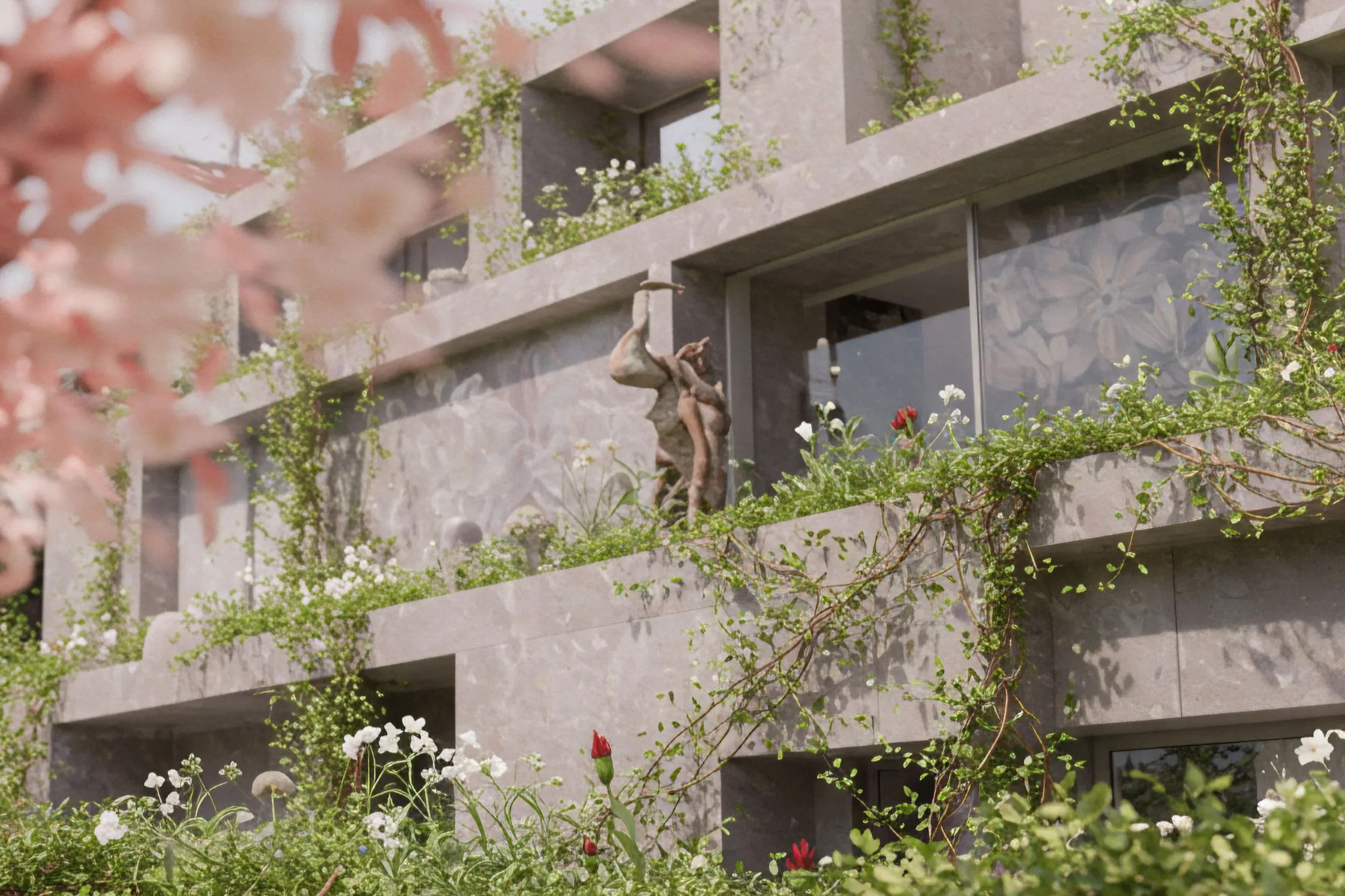
Material Selection: Durability Meets Intelligence
Resilience isn’t only about strong materials—it’s about appropriate ones. Climate-smart material selection weighs long-term durability, environmental performance, and the ability to respond to heat, moisture, UV exposure, and freeze-thaw cycles.
Some material principles we lean on when designing for resilience include:
Low thermal expansion materials that resist cracking in high temperature fluctuation.
Moisture-managed wall systems that dry effectively after storms or snow events
UV-resistant exteriors to prevent brittle degradation at higher elevations
Fire-aware materials, especially in wildland-urban interface zones
Impact-resistant surfaces for areas prone to hail or debris in wind events
Resilient design is where material science and architectural foresight meet. The goal is longevity, not novelty.
Passive Design: Resilience Without a Power Cord
Passive design is no longer a “nice to have”—it’s a core pillar of resilience. Buildings that stay cooler, warmer, brighter, or more ventilated without relying on the grid inherently perform better during climate stress.
Key passive resilience strategies include:
Solar Orientation & Shading. Designing around seasonal sun angles to reduce summer heat gain while maximizing winter warmth.
Thermal Mass. Using materials like concrete, brick, or stone to store and release heat slowly, stabilizing interior temperatures naturally.
Natural Ventilation Paths. Encouraging airflow through pressure differentials, operable windows, and thoughtful placement of openings.
Daylighting Optimization. Reducing dependency on artificial lighting with intelligently diffused natural light.
Roof & Overhang Design. Managing precipitation and protecting walls from runoff or snow accumulation.
When passive strategies lead the design, mechanical systems become support players, not lifelines.
Resilience is the New Baseline
Climate-resilient architecture isn’t about fear. It’s about responsibility and opportunity. It’s about creating buildings that adapt, endure, and quietly outperform expectations—even when the world outside gets loud.
Resilient design protects families, businesses, and communities. It reduces energy demand, minimizes maintenance, and delivers better buildings with fewer failure points. And in a changing climate, the most resilient buildings will also be the most valuable ones.
That’s the future we’re designing for…one smart detail at a time.
