

Two Projects. Two Pathways. Part 2: The Residential Route
A custom home moves through many of the same architectural milestones as a commercial project. There are goals to define, budgets to understand, sites to study, designs to explore, codes to navigate, documents to create, and a construction team to coordinate. But residential architecture introduces something different into nearly every decision: You.
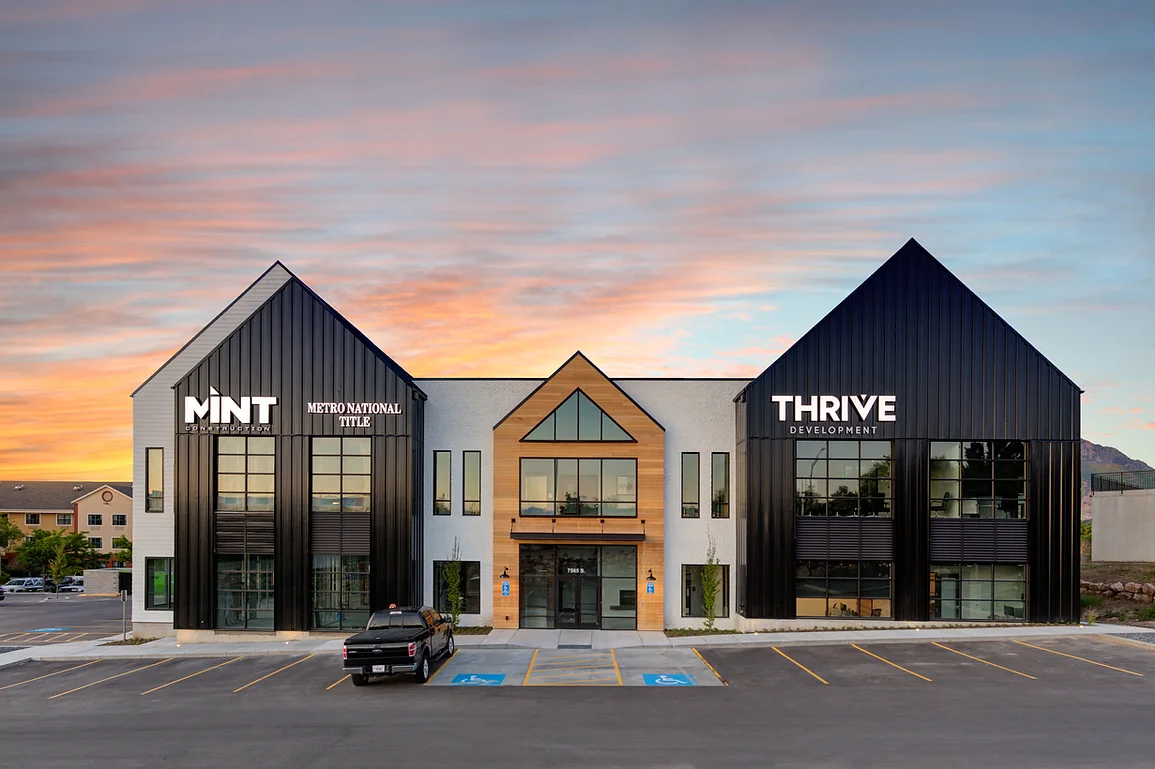
Two Projects. Two Pathways. Part 1: The Commercial Route
At a distance, a commercial project and a custom home follow remarkably similar paths. But somewhere along the way, those paths begin to split. The fundamentals of architecture may remain the same, but the forces shaping a commercial project can be very different from those shaping a residential one.

Architect, Translated: What We Mean When We Say “Programming”
Welcome to Architect, Translated, a recurring series where we take some of the words and phrases you might hear during an architecture project and explain what we actually mean when we say them. First up: programming.
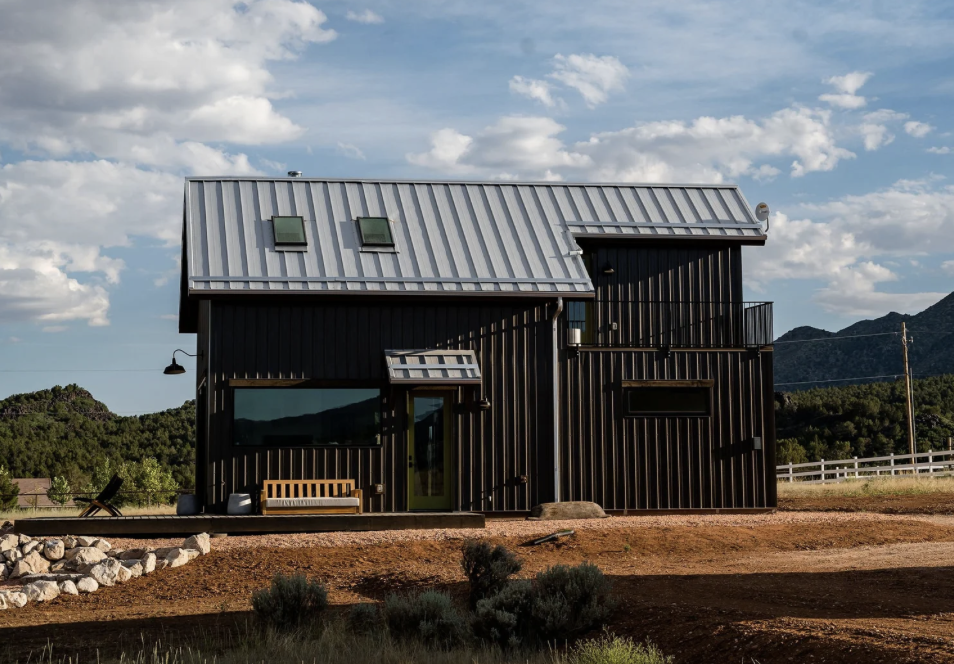
A Truly Custom Home Starts With the Right Questions
When people picture building a custom home, they often start with the exciting stuff: the kitchen, the finishes, the views, the dramatic entry, the perfect primary suite. And eventually, all of those things matter. But a truly custom home starts much earlier…with questions.

Commercial Construction Is Complicated. It Doesn’t Have to Be Chaotic.
Commercial projects come with a lot of moving parts. Budgets. Schedules. Permits. Contractors. Engineers. Materials. Decisions. More decisions. And, occasionally, the kind of surprise nobody saw coming until a wall was opened or work started on site. Some stress is simply part of building something complex. But chaos? That’s different.
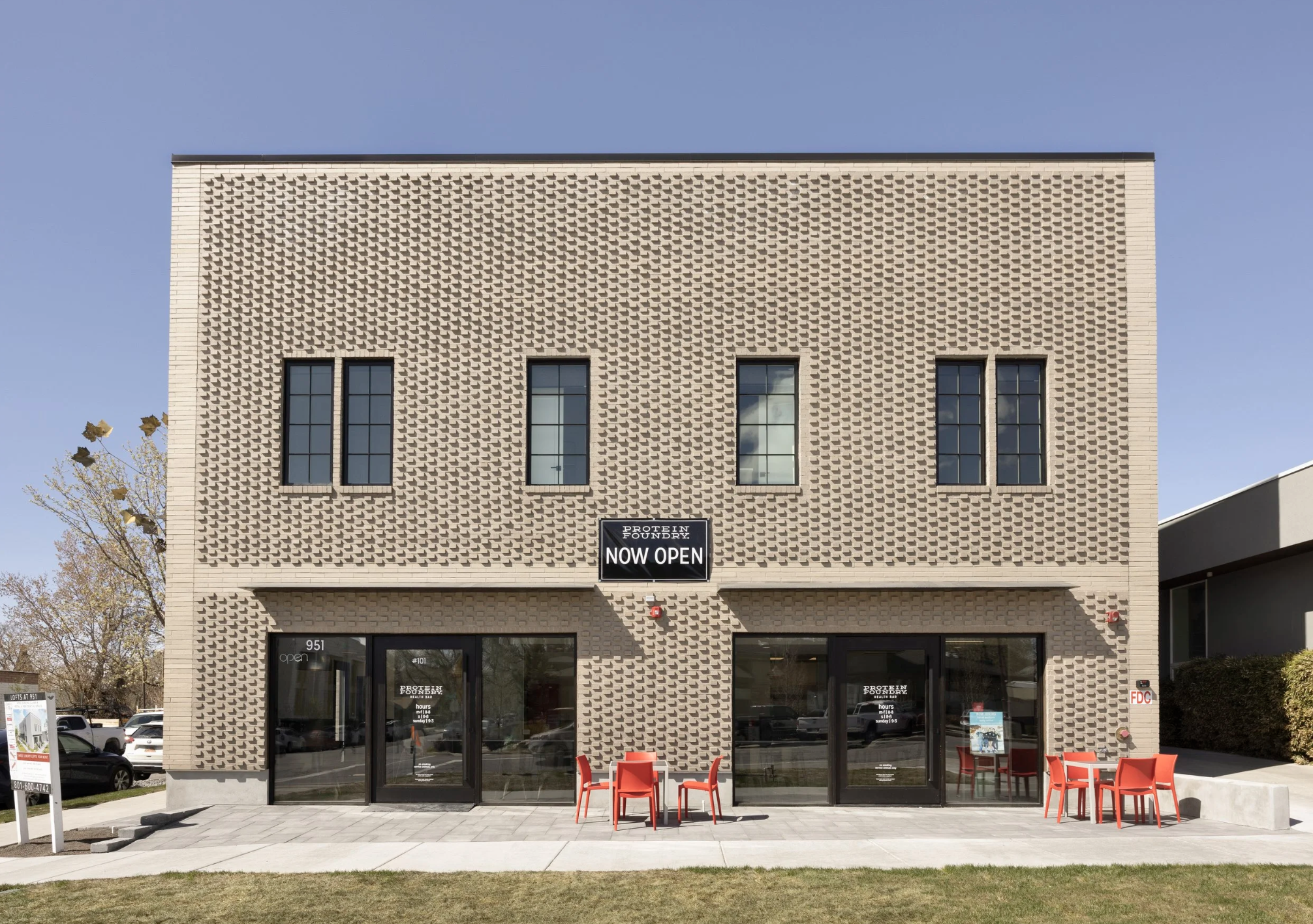
The New Faces of Modern Retail Spaces
Retail spaces are more than places to buy things. They’re destinations, experiences, and community hubs. As shoppers’ expectations change, retail architecture changes too. Here are some of the current trends in retail design.
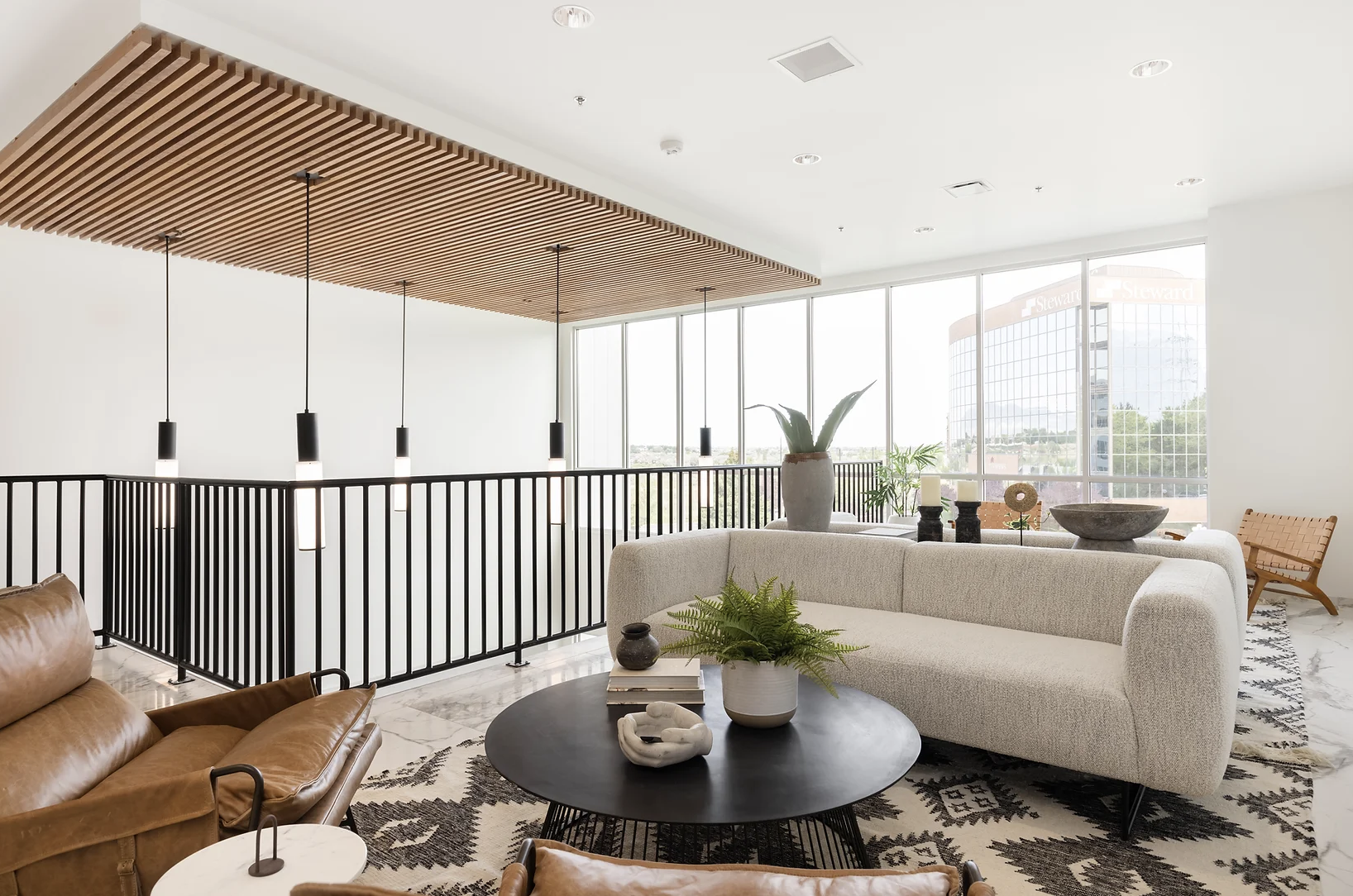
What Makes a Commercial Space Feel Expensive…Without Actually Being Expensive?
There’s a difference between a commercial space that costs a lot and one that feels like it did. For most businesses, the goal isn’t to create the most expensive office, retail space, restaurant, clinic, or showroom possible. The goal is to create a space that feels polished, intentional, and reflective of the business—without spending money where it won’t make a meaningful difference.
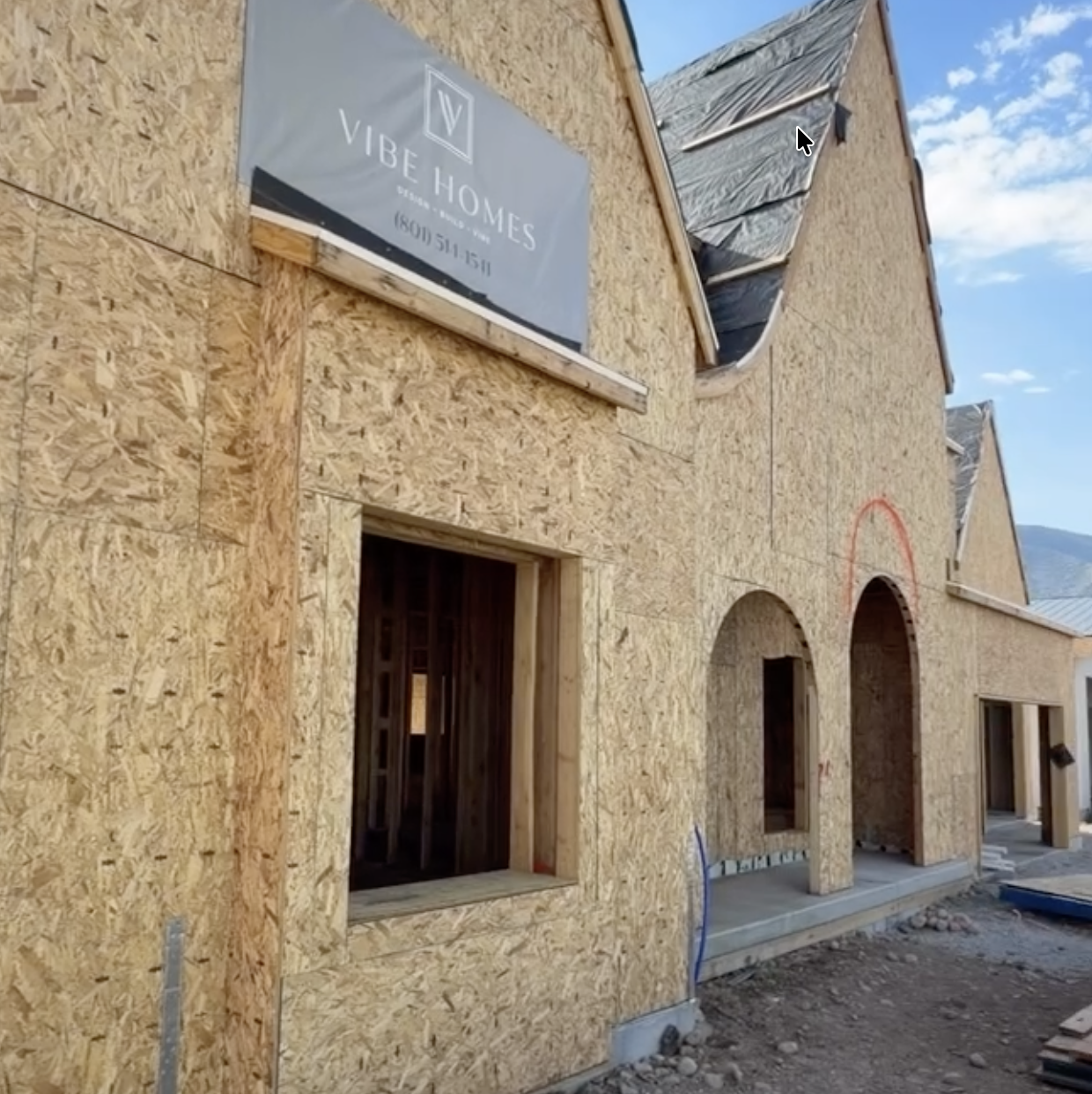
Before the Framing Goes Up: How an Architect Helps Start Your New Home Build
Framing is underway on one of our residential projects in Sandy, Utah, and it’s always an exciting stage to see. For homeowners, it can feel like the moment a new house finally becomes real. Rooms begin to take shape. Window openings appear. Rooflines emerge. Spaces that previously existed only on drawings suddenly have walls you can walk between.
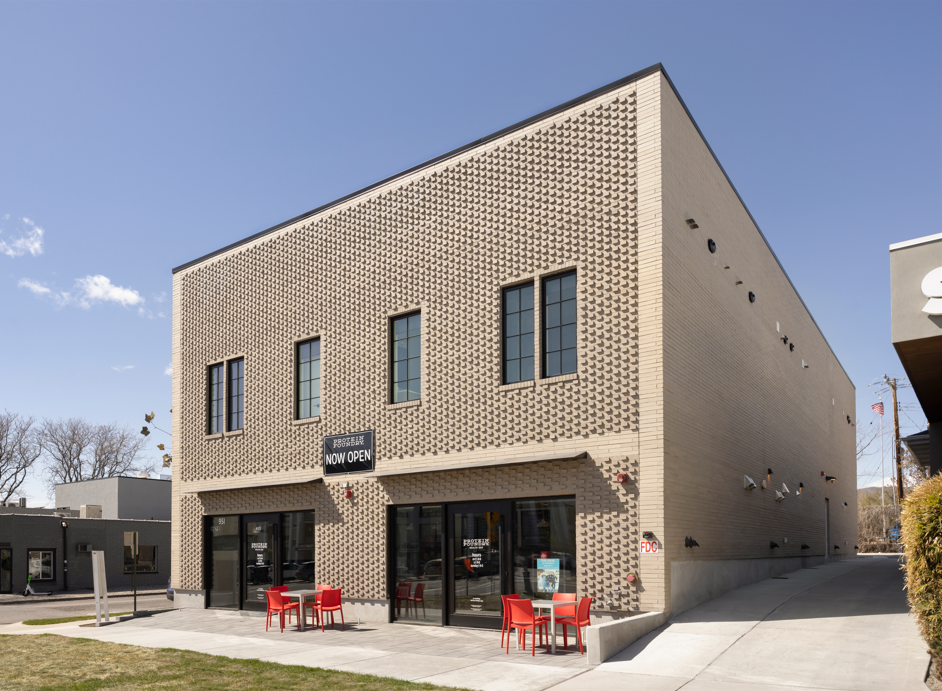
Starting Your Next Commercial Project
When most people think about a commercial buildout, they picture floor plans, finishes, and construction timelines. But the success of a project is rarely determined by drawings alone. It’s determined much earlier through the relationship between client and architect.
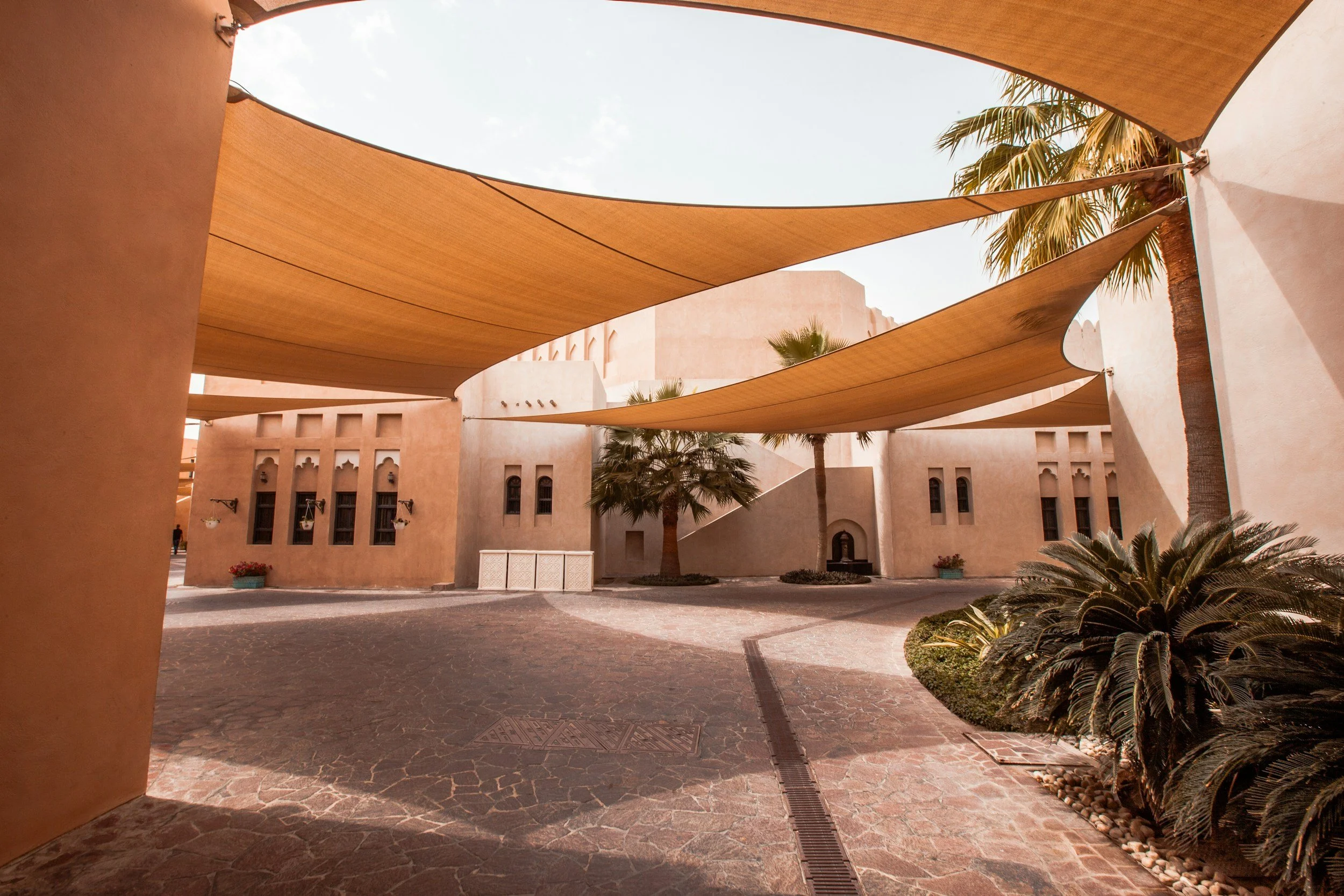
Too Hot to Use? How Architects Design Outdoor Spaces for Extreme Heat
When summer temperatures start pushing into triple digits, a beautiful patio with no protection from the heat can quickly become little more than something to look at through the window. That’s where thoughtful architectural design makes a difference.
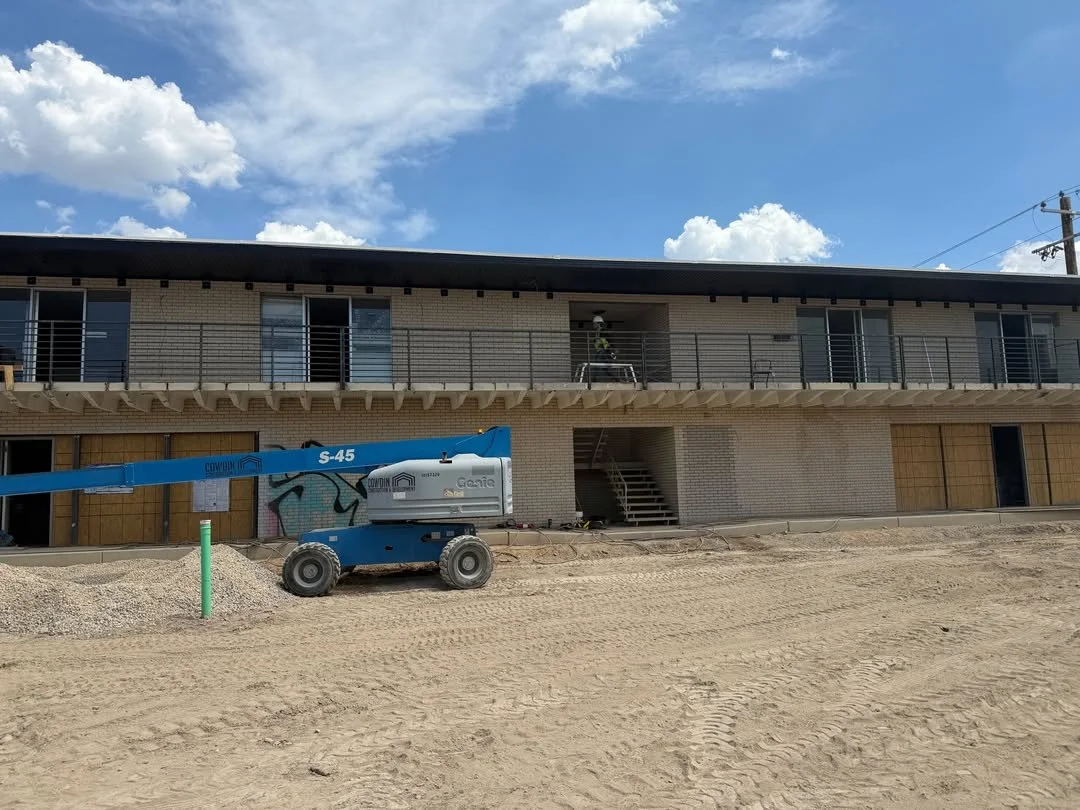
Project Update: 959 East
Demolition is complete, and we’re uncovering the potential hidden within this existing building. Every layer removed brings us one step closer to transforming an aging space into something modern, functional, and built to serve its next chapter.
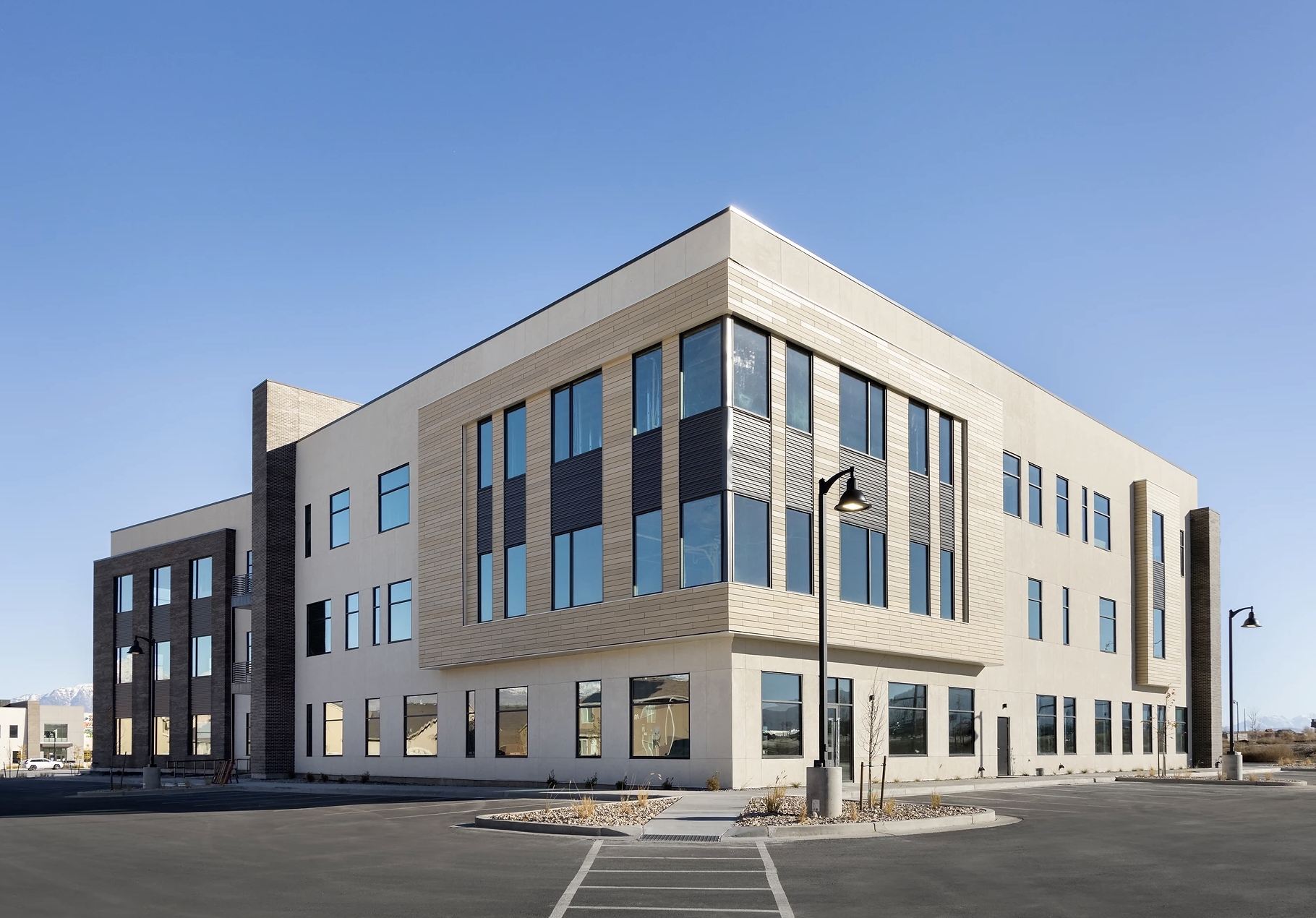
Your Business Deserves a Space That Works
A commercial space should do more than look good. It should support your team, welcome your customers, strengthen your brand, and help your business work better every day. That’s where Uncommon Architects comes in.
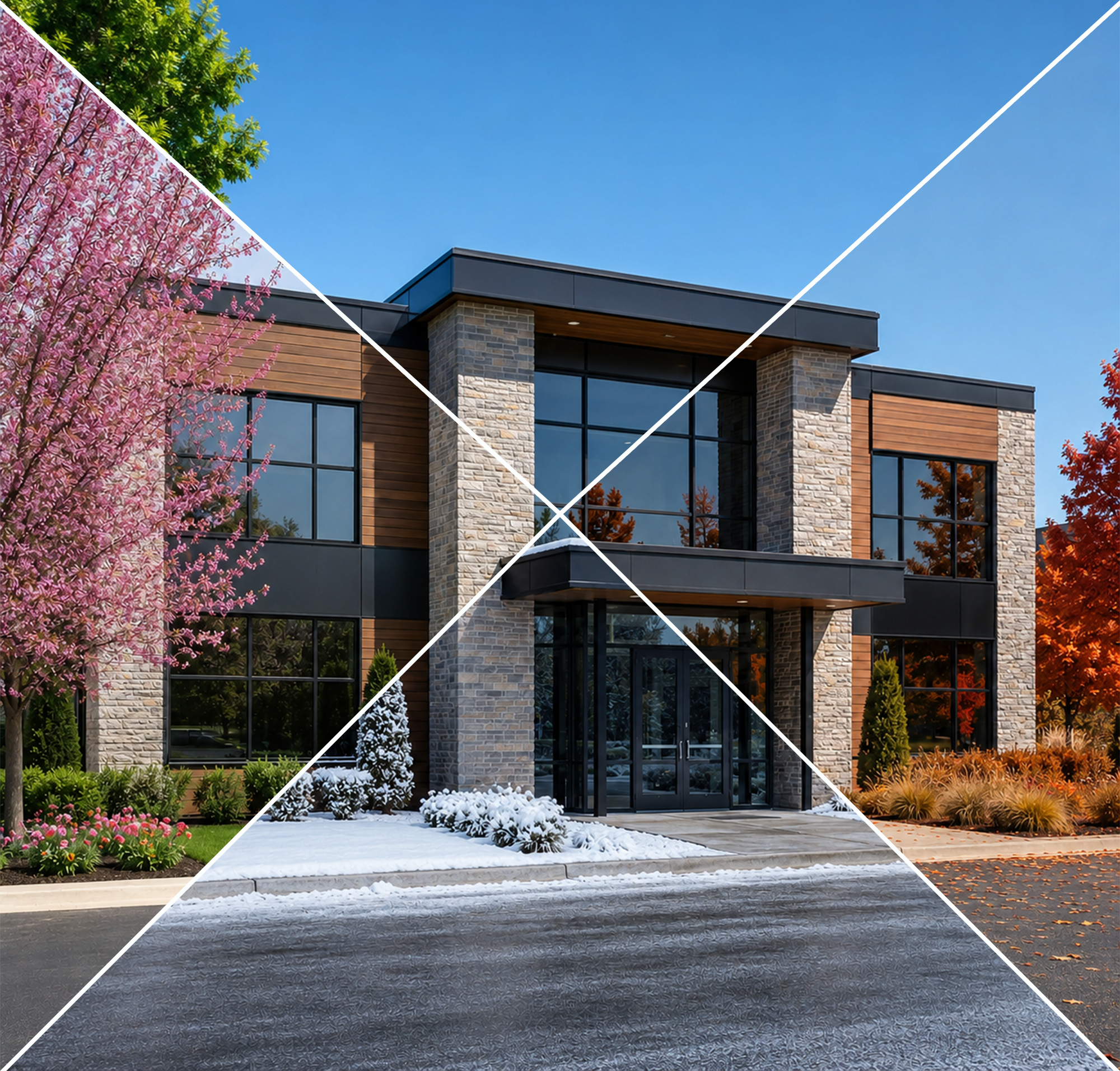
Designing for Four Seasons: Architecture That Performs in Extreme Heat (and Cold)
Designing for a four-season climate takes more than planning for average temperatures. From extreme summer heat to freezing winter conditions, thoughtful architecture can improve comfort, energy efficiency, durability, and year-round performance.
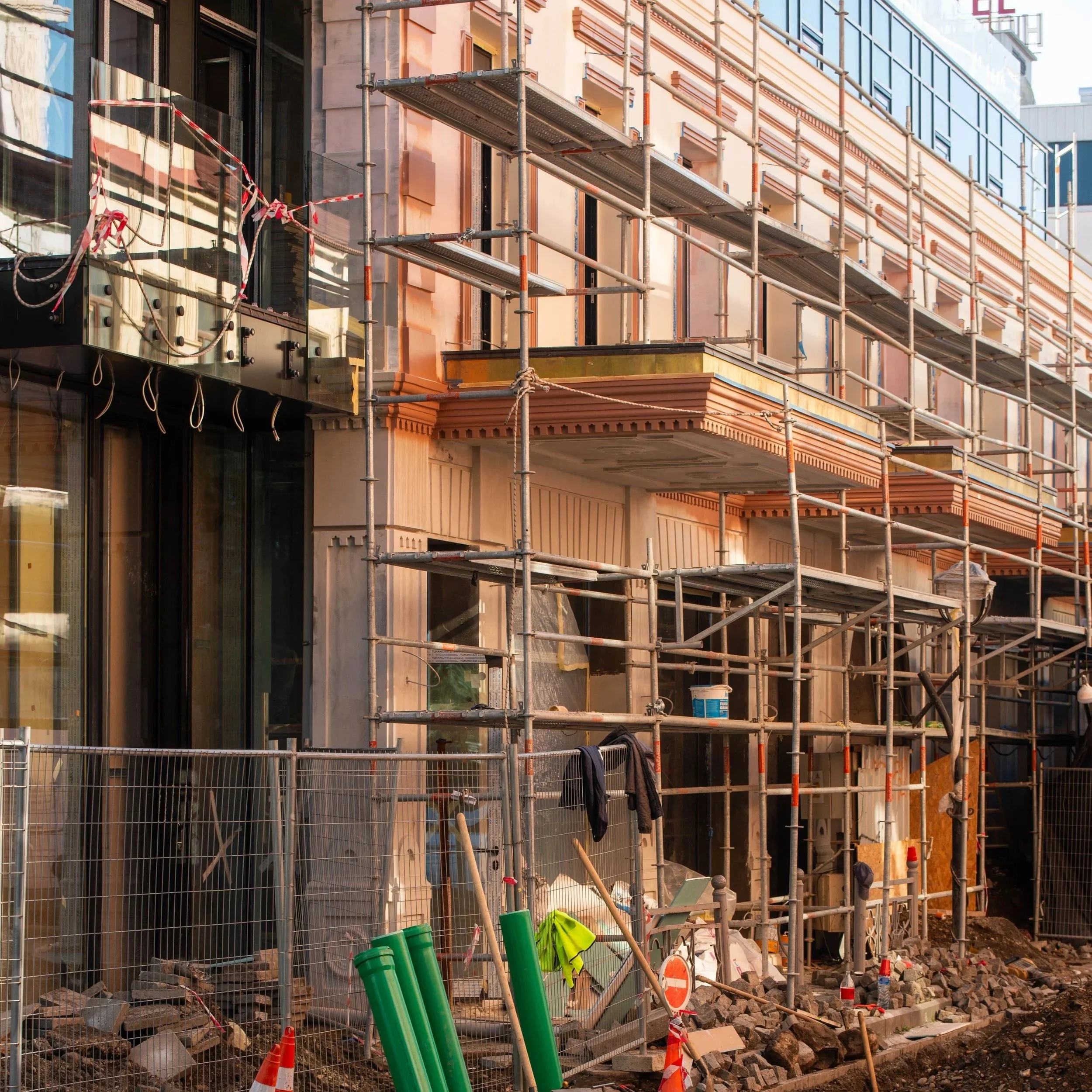
Build New or Renovate? 4 Questions to Help You Make the Right Decision
Build new or renovate? The right answer depends on more than the price tag. Before making the call, consider the building, budget, location, timeline, and where your business is headed next.
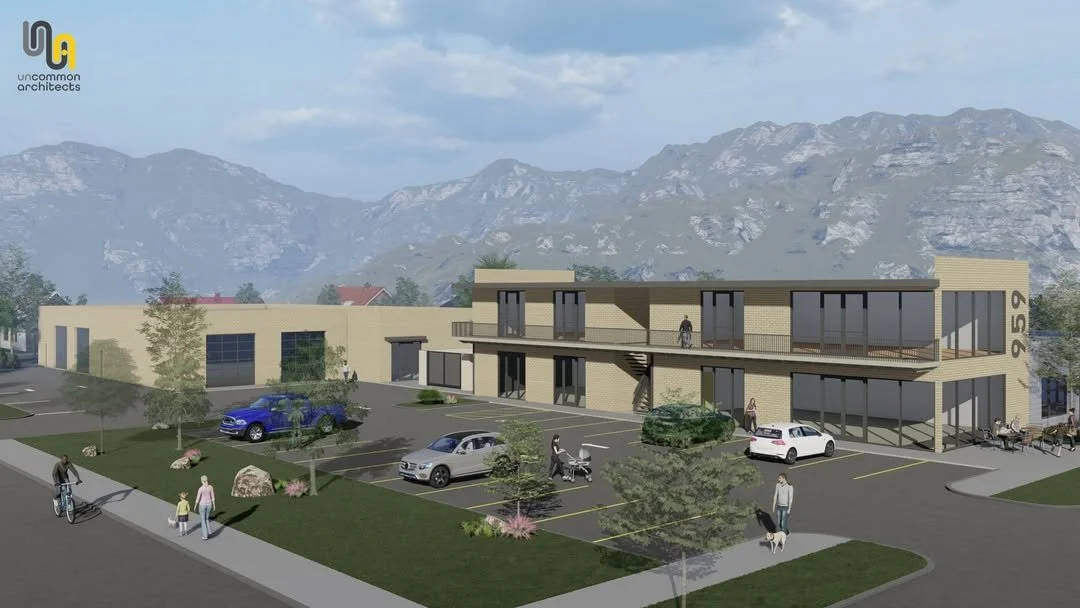
What Are Architectural Renderings and Why Do They Matter?
At first glance, renderings may seem like a polished presentation piece. And they are. But they are also much more than “pretty pictures.” Architectural renderings are an important part of the design process because they help clients understand ideas, make confident decisions, and create alignment before construction begins.
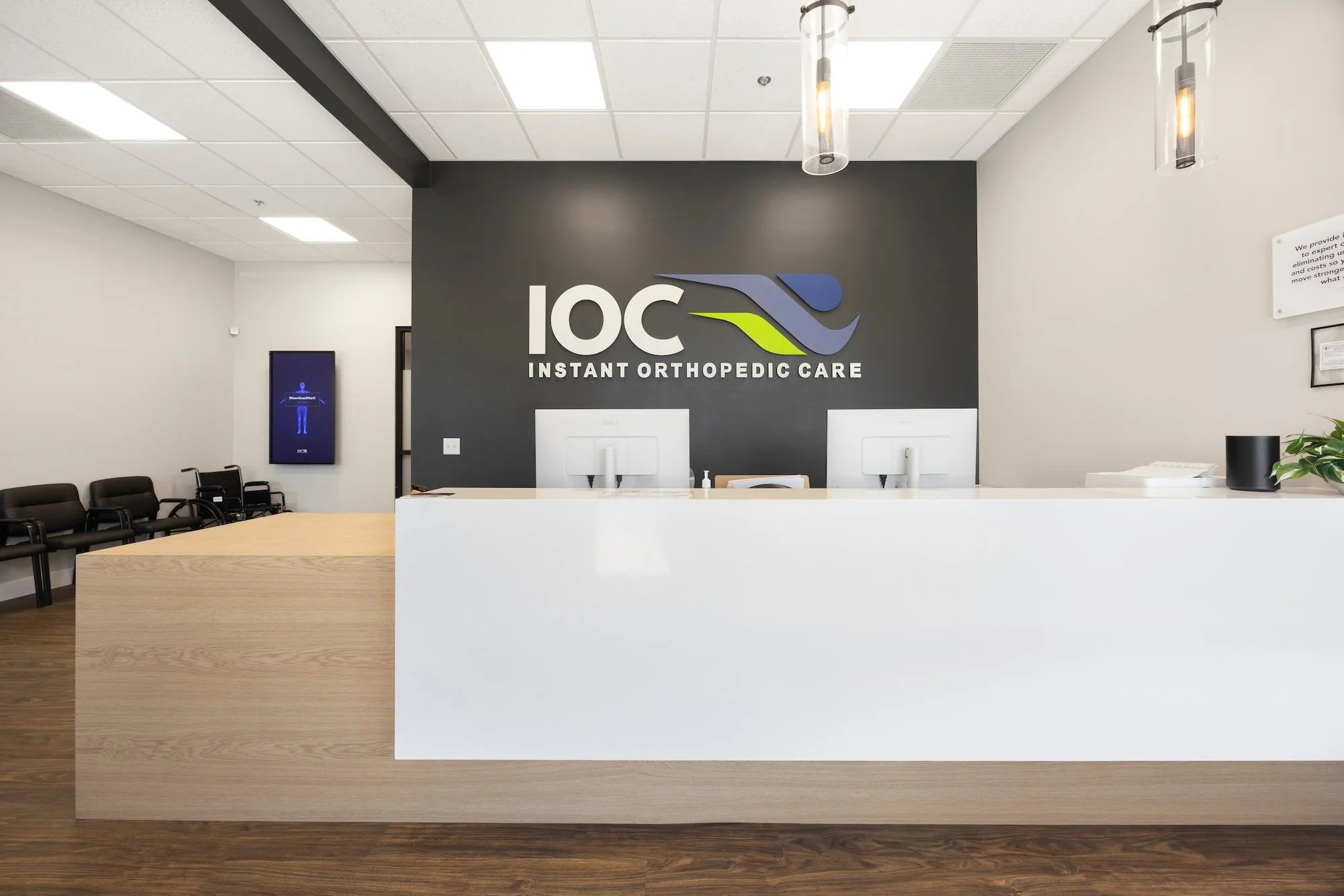
Project Spotlight: Instant Orthopedic Care
Uncommon Architects recently completed a tenant improvement project for Instant Orthopedic Care in Draper, Utah. This project highlights how thoughtful design can transform an existing commercial space into a clean, efficient, and welcoming healthcare environment.

What Makes Uncommon Architects…Uncommon?
There are a lot of architecture firms out there. Some are known for a specific style. Some are known for a certain type of project. Some are known for the size of their team or the scale of their work. But for us, being “uncommon” has never been about trying to be different for the sake of being different.
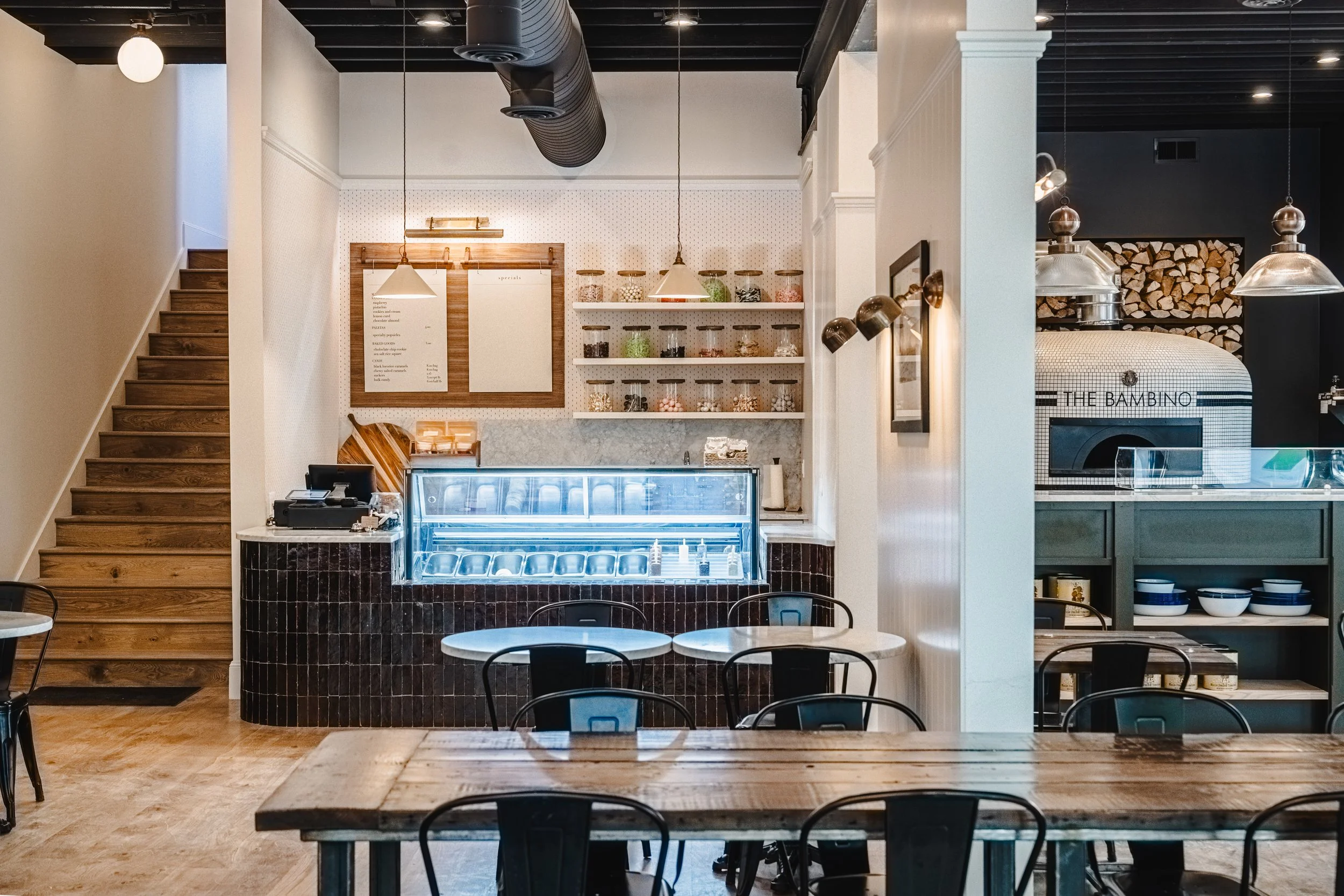
Designing Better Spaces for Better Business
A well-designed commercial space should do more than look good…it should support the way your business actually works. From customer flow and employee experience to brand perception and future growth, thoughtful design can turn your space into a stronger business asset.
Budgeting for Your Commercial Remodel or New Build
Planning a commercial remodel or new build is exciting. It usually means growth, change, or a new opportunity for your business. Maybe you’re opening a new office, expanding a medical or dental practice, remodeling a restaurant, or building out a retail space that better fits your brand.
But before the design gets too far down the road, there’s one question that needs to be addressed early and honestly: What is the real budget?
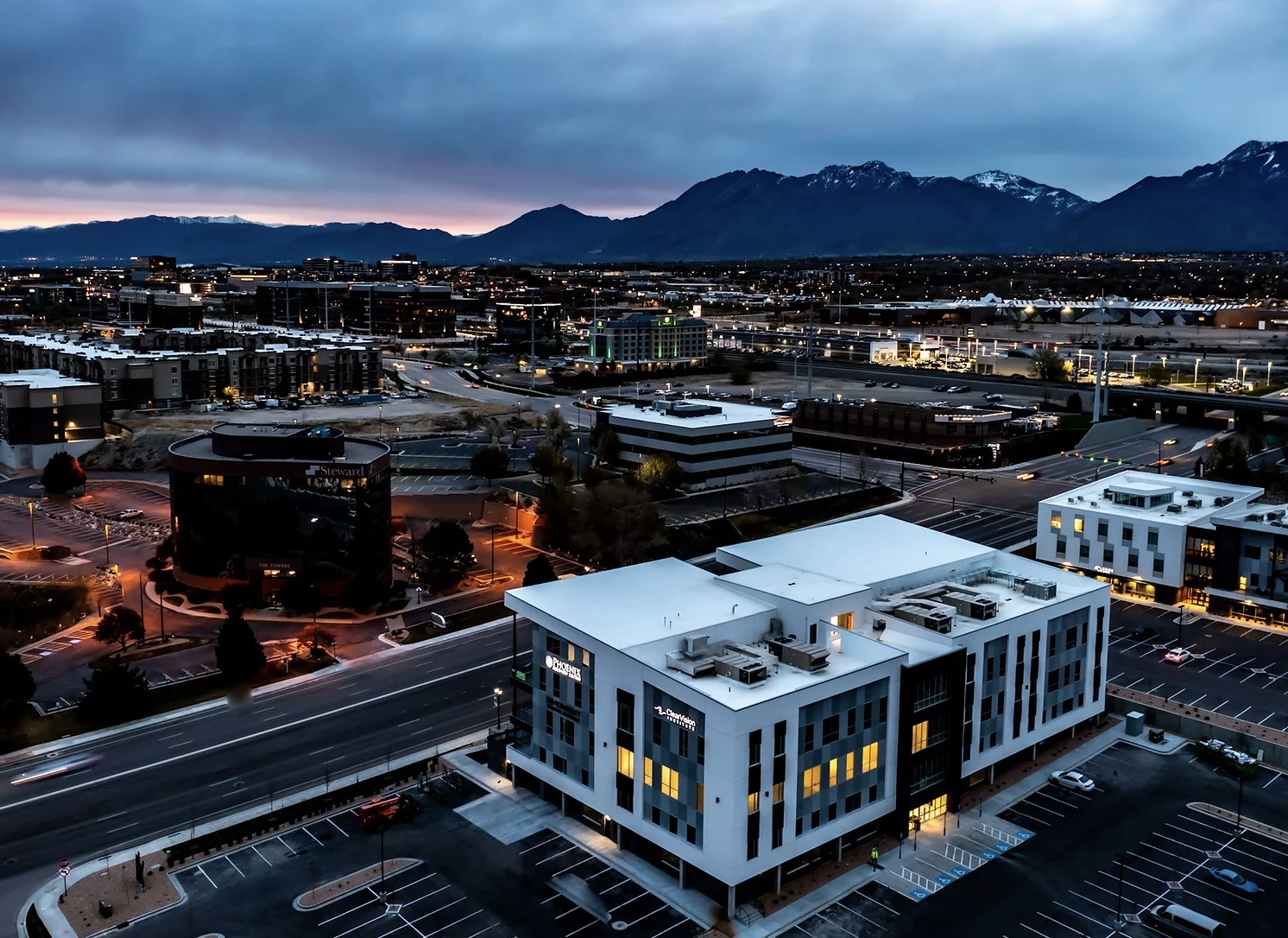
The Advantages of Hiring a Local Architect
When planning a commercial project, remodel, tenant improvement, or custom build, it can be tempting to assume that bigger automatically means better. A large, out-of-area architecture firm may have an impressive portfolio, a broad team, and plenty of name recognition. But when it comes to designing a project that actually works for your site, your community, your budget, and your long-term goals, there are real advantages to working with a local architect.