Designing for Life: The Power of Biophilic Interiors
Great architecture doesn’t just shape buildings—it shapes how people feel inside them.
In recent years, biophilic design has moved from trend to foundational principle in thoughtful interior architecture. At its core, biophilic design is about strengthening the human connection to nature within built environments. It’s not about filling a room with plants (though that can help). It’s about creating spaces that feel grounded, calming, and alive.
When done well, biophilic interiors don’t announce themselves. They simply feel right.
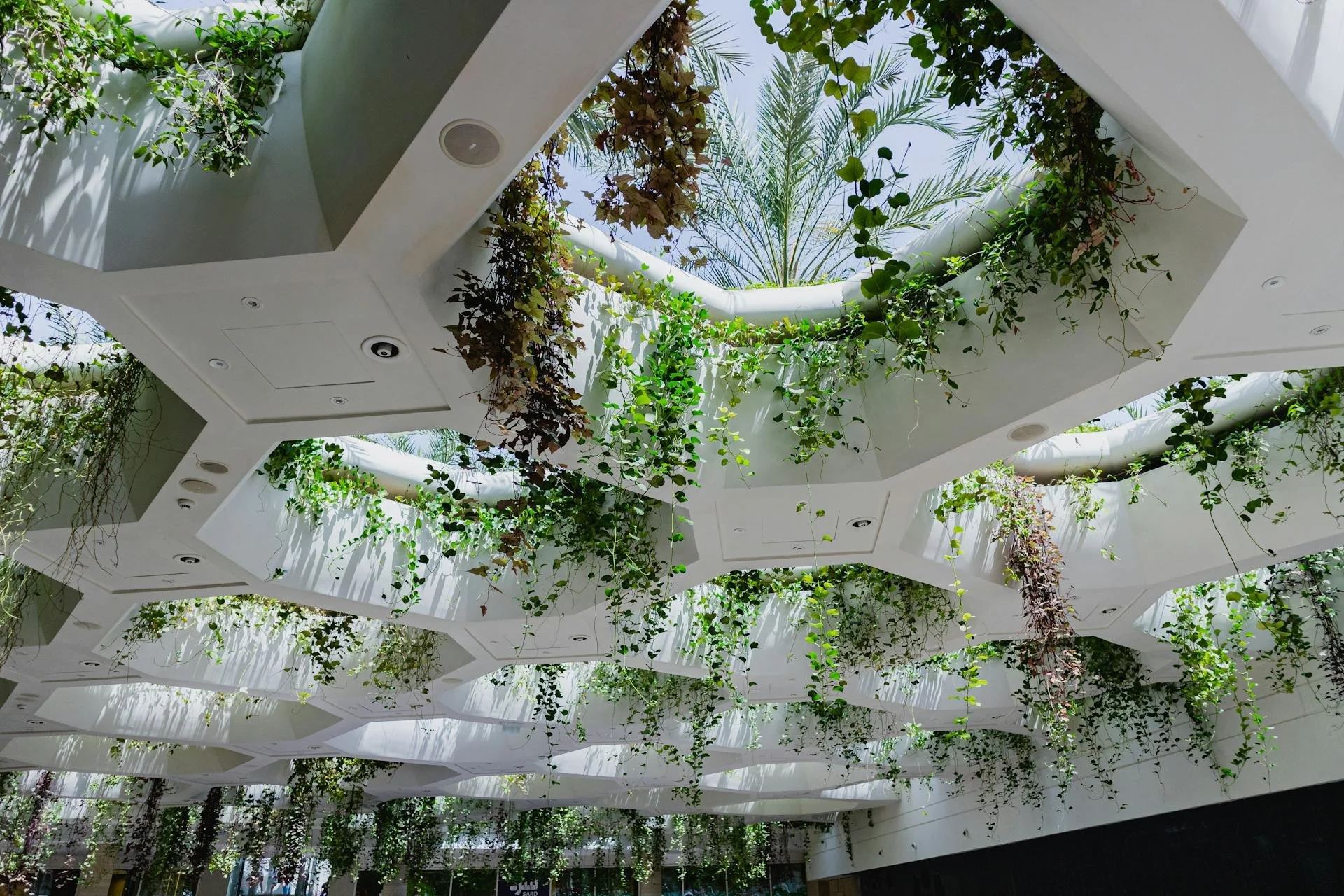
Photo by Image Hunter via Pexels
Natural Materials That Tell the Truth
One of the most powerful ways to bring biophilic design into an interior is through authentic materials.
Wood with visible grain. Natural stone with movement and texture. Clay, wool, linen, leather, limewash, concrete. Materials that age gracefully and reflect the irregular beauty of the natural world.
These materials do something synthetic finishes cannot, they ground a space. They add warmth without clutter. They create subtle variation that keeps interiors from feeling sterile or overly polished.
In Utah especially, where the surrounding landscape offers dramatic texture and color—from desert stone to alpine timber—there’s an opportunity to let interiors echo the environment outside. When interior materials reflect regional context, a building feels more rooted and intentional.
Natural materials also tend to perform well over time. They weather, patina, and evolve rather than deteriorate. That longevity aligns beautifully with sustainable thinking and long-term value.
Wellness by Design
Biophilic interiors aren’t just aesthetic, they’re physiological. Studies consistently show that environments connected to nature can reduce stress, lower blood pressure, improve focus, and increase overall well-being. While we often think of wellness in terms of gyms or spas, the reality is that the spaces where we live and work influence our nervous systems all day long.
Design decisions matter:
Views to the outdoors
Interior greenery integrated intentionally, not decoratively
Organic forms rather than rigid geometry
Layered textures that soften acoustics
Materials that don’t off-gas harmful chemicals
In workspaces, biophilic principles can improve productivity and cognitive performance. In homes, they create restorative environments that support calm and connection. In hospitality settings, they foster comfort and memorability.
Wellness isn’t a feature you add at the end of a project. It’s embedded in the earliest design conversations.
Light as a Living Element
If there’s one component that defines biophilic interiors more than any other, it’s light. Natural light regulates circadian rhythms, improves mood, and enhances spatial perception. But optimizing light requires more than adding bigger windows. It requires strategic thinking.
Smart design considers:
Orientation of the building
Window placement for balanced daylighting
Clerestory windows and light wells
Shading systems that reduce glare while preserving brightness
Reflective surfaces that distribute light deeper into a space
In climates like ours, light design must also respond to seasonal extremes, maximizing warmth and brightness during colder months while managing solar heat gain in summer.
Layered lighting inside the space should complement natural rhythms. Warm light in the evening. Task lighting that reduces strain. Accent lighting that highlights natural materials and textures.
When light is treated as a living element—not just illumination—spaces feel dynamic and energizing.
Designing Spaces That Feel Human
Biophilic interiors are ultimately about human experience. They soften the boundary between inside and outside. They support physical and mental health. They create depth and warmth without excess.
Great design should enhance how you live and work, not compete for attention. Biophilic principles allow us to create interiors that are refined, modern, and deeply connected to the natural world.
Because the best spaces don’t just look good. They feel alive.
Ready to partner on your next project? So are we! Reach out and let’s create something beautiful together.