
Designing for Outdoor-Centric Work Culture
Based in Utah, we know the outdoors isn’t a backdrop, it’s part of how people live. Early trail runs, lunch breaks with a view, weekends in the mountains. It’s a rhythm that shapes expectations, and increasingly, it’s influencing how people want to work.
That creates a clear opportunity (and a challenge) for architecture.
If a workplace ignores its connection to the outdoors, it can feel disconnected from the people inside it. But when designed intentionally, that same workplace can become something more: a space that supports focus, wellness, and performance in a way four walls alone can’t.
Outdoor Space Is No Longer a Perk
There was a time when an outdoor patio or courtyard was a bonus—something nice to have, but not essential. That’s no longer the case.
Today’s workforce expects more flexibility in how and where work happens. And in a state like Utah, where access to fresh air and open space is part of daily life, that expectation is even stronger.
Outdoor environments are no longer amenities. They’re extensions of the workplace.

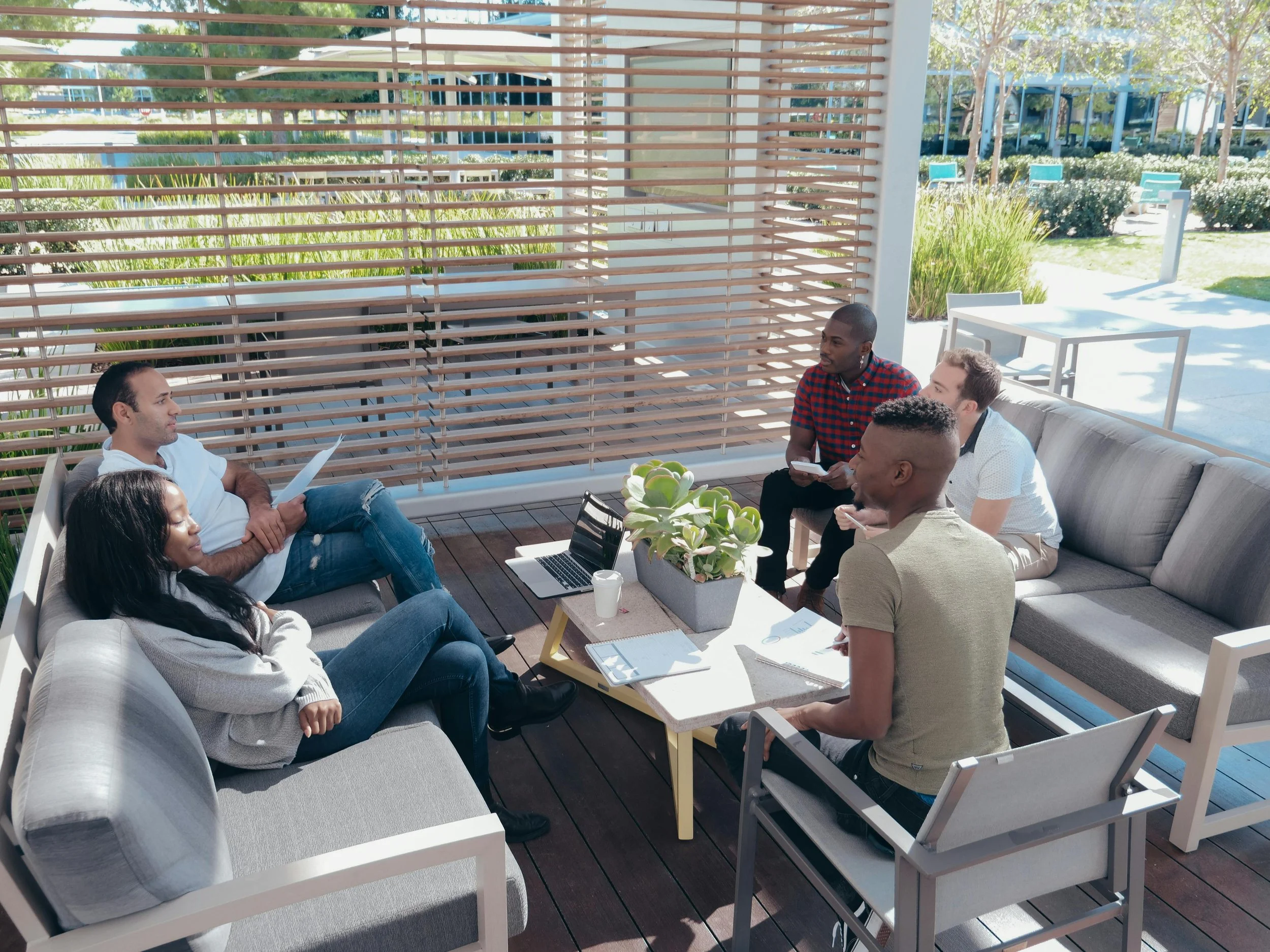
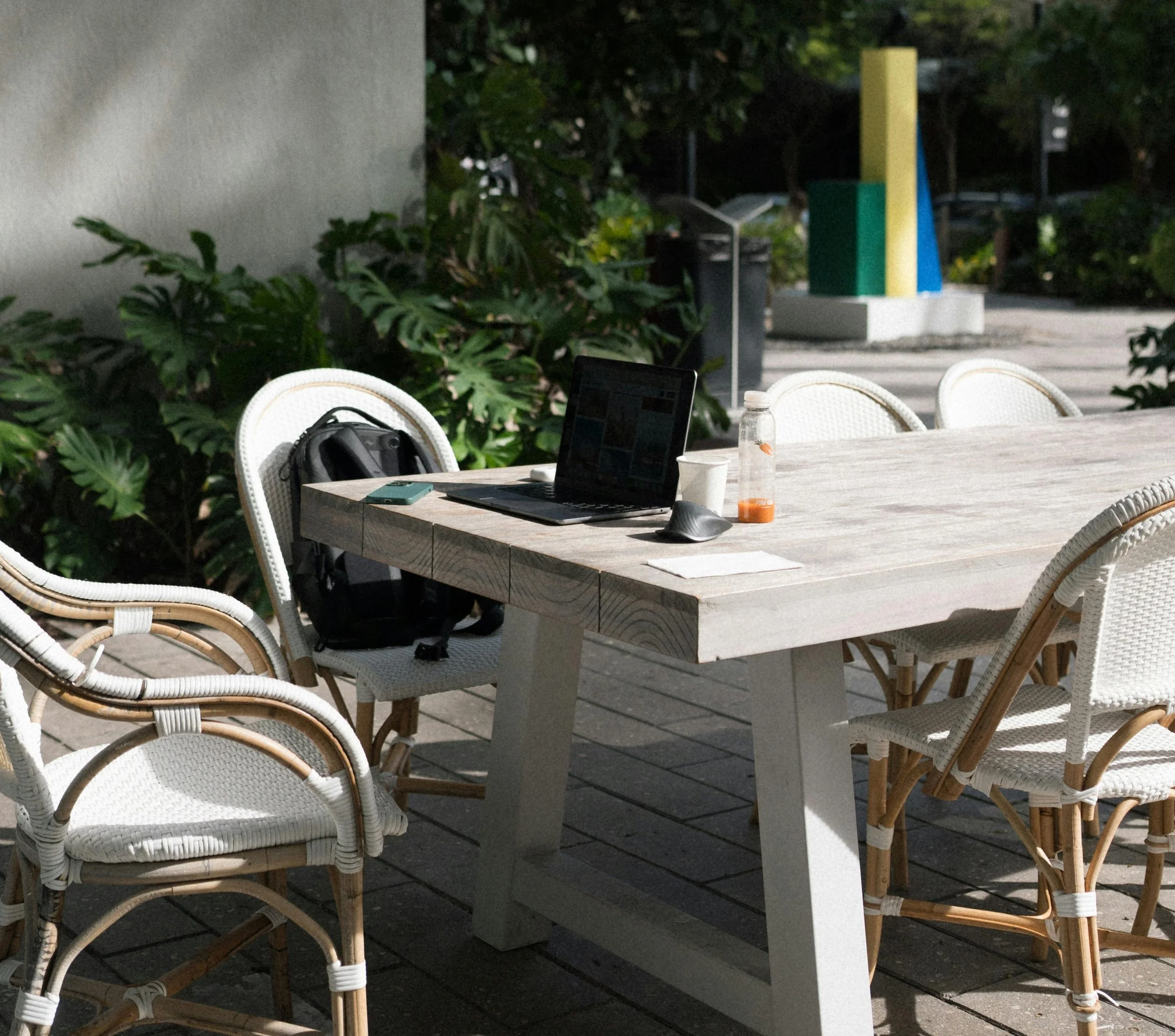
What Outdoor-Centric Design Actually Looks Like
The difference between good and great outdoor workspace design comes down to one thing: usability. These spaces need to function just as well as the interiors they support.
Seamless Indoor-Outdoor Transitions: The most effective spaces don’t force a choice between inside and out—they blur the line between the two. Operable glass walls, expansive openings, and covered thresholds allow spaces to flex with the seasons and the needs of the day. When the boundary disappears, so does the friction of using the space.
Functional Outdoor Work Zones: A few chairs and a table won’t cut it. For outdoor spaces to truly support work, they need the same level of consideration as interior environments. That means access to power, reliable Wi-Fi, thoughtful shading, and acoustic awareness.
When these elements are in place, outdoor areas become legitimate workspaces—not just places to step away.
A Natural Connection That Works
There’s real value in creating a connection to the natural environment, but it needs to go beyond surface-level design.
Natural materials, integrated landscaping, and intentional views do more than look good. They create spaces that people are drawn to…spaces that support focus, reduce stress, and encourage use throughout the day. It’s not about adding greenery. It’s about designing environments that feel human.
The Business Case for Fresh Air
At its core, outdoor-centric design isn’t about aesthetics, it’s about performance. Work environments that provide access to fresh air and flexible space tend to:
Improve employee satisfaction
Support mental resets that lead to better focus
Encourage longer tenure and stronger engagement
And it’s not just employees who notice. Clients and partners experience these environments too, and the impression is immediate: this is a company that understands how people actually work.
Building Beyond Four Walls
Workplace design is evolving. The most effective environments aren’t confined to interiors—they extend outward, creating a more dynamic, adaptable experience for the people who use them. For firms looking to attract talent, retain teams, and create meaningful spaces, the question is no longer if outdoor environments should be part of the design—but how well they’re integrated.
At Uncommon Architects, we believe the best workspaces don’t just contain people—they support how they live, work, and recharge. Let’s work together to design a workspace people actually want to be in—inside and out.
Images via Pexels
