
Too Hot to Use? How Architects Design Outdoor Spaces for Extreme Heat
A great outdoor space can add serious value to a building by creating places to gather, eat, work, relax, or simply step outside for a few minutes.
But when summer temperatures start pushing into triple digits, a beautiful patio with no protection from the heat can quickly become little more than something to look at through the window.
That’s where thoughtful architectural design makes a difference.
Shade Is More Than an Umbrella
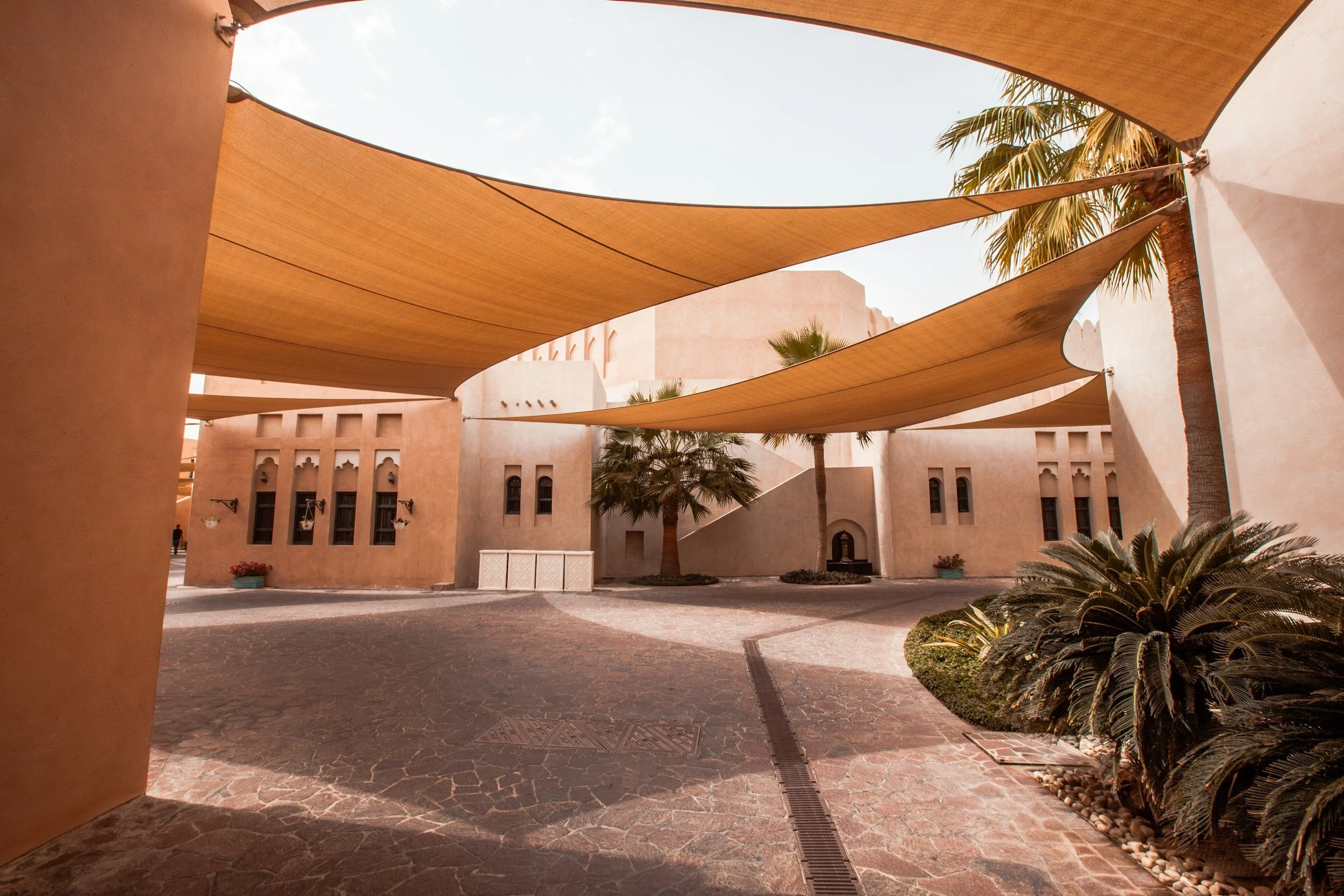
Image via Unsplash
One of the biggest tools architects have for creating comfortable outdoor spaces is also one of the simplest: keeping direct sunlight off people and surfaces.
Covered patios, deep roof overhangs, canopies, pergolas, strategically placed walls, and other architectural elements can dramatically change how an outdoor space feels.
The key is planning that shade around the path of the sun. A space that is perfectly shaded at 10 a.m. may be completely exposed by late afternoon right when temperatures are at their highest.
Good design considers how sunlight moves across the property throughout the day and throughout the year.
Materials Matter in the Heat
Anyone who has stepped barefoot onto dark pavement in July already understands this one.
Different building materials absorb and retain dramatically different amounts of heat. Exterior flooring, walls, roofing, furniture, and surrounding hardscape can all contribute to how hot an outdoor environment becomes.
Architects can help select materials, finishes, and colors that reduce heat absorption while still delivering the durability and appearance a project needs.
Even the amount of hardscape matters. Acres of exposed concrete or asphalt can create a very different microclimate than a thoughtfully balanced combination of paving, landscaping, shade, and vegetation.
Landscaping Can Be Part of the Architecture
Trees and landscaping aren't just decorative.
Strategically located vegetation can provide shade, reduce reflected heat, and help create cooler pockets around buildings and outdoor gathering areas. Landscape placement can also work together with architectural features to protect seating areas while preserving views, circulation, and access.
The best results happen when the building and its surrounding site are designed as one connected environment and not as two separate projects.
Airflow Makes a Difference
Shade helps enormously, but on an extremely hot day, stagnant air can still make an outdoor space uncomfortable.
Building orientation, wall placement, openings, courtyards, and other design decisions can either encourage natural airflow or unintentionally block it. Ceiling fans and other mechanical solutions can provide another layer of comfort in covered outdoor areas.
It’s another example of why outdoor comfort begins long before the furniture arrives.
Design for the Hours People Will Actually Use It
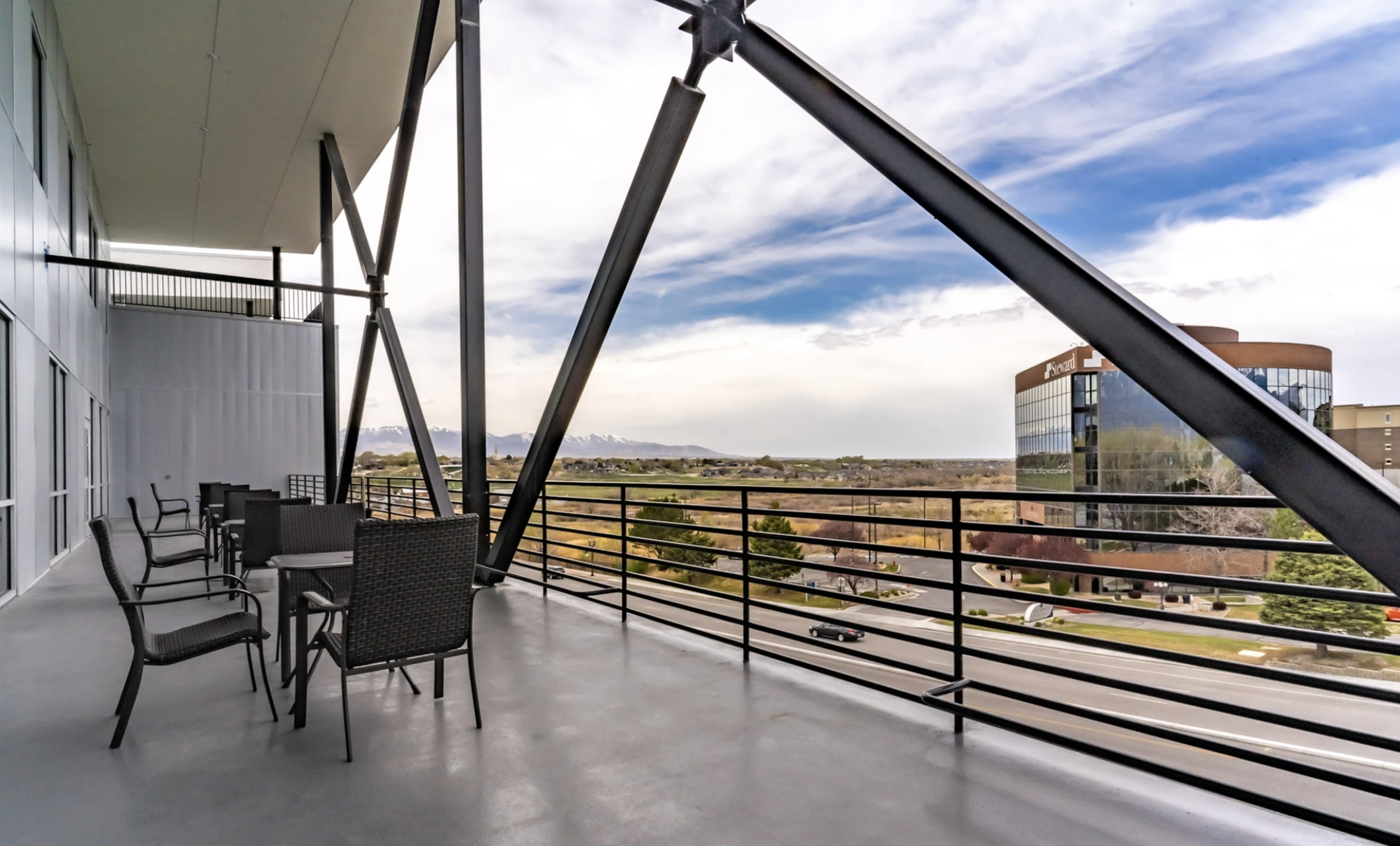
Image via uncommonarch.com
Sometimes smart architecture isn't about trying to make an outdoor space comfortable at 3 p.m. on the hottest day of the year.
It's about understanding when people will realistically use the space and designing accordingly.
A restaurant patio might prioritize evening shade. An office courtyard may need protection during lunch hours. A healthcare facility might benefit from comfortable outdoor spaces throughout the day. A home's west-facing patio may require a completely different strategy than one facing north.
There isn't one universal solution. The right answer comes from understanding the building, its orientation, its users, and the local climate.
Outdoor Space Should Earn Its Square Footage
Patios, courtyards, rooftops, plazas, and other outdoor spaces can become some of the most memorable parts of a project, but only when they're designed to function in the real world.
In a climate where summer heat can be intense, that means thinking beyond appearance and considering shade, materials, landscaping, airflow, orientation, and daily use from the beginning.
At Uncommon Architects, we design spaces around how people will actually experience them…including the spaces outside the building.
Planning a project with an outdoor component? Get in touch with Uncommon Architects and let’s make sure it works just as well as it looks on the rendering.
