
What Are Architectural Renderings and Why Do They Matter?
If you’ve ever seen a realistic image of a building or interior space that hasn’t been built yet, you’ve seen an architectural rendering.
Also called 3D renderings or architectural visualizations, these images help bring a project to life before construction begins. They can show the look and feel of a future home, office, restaurant, medical space, retail environment, or commercial project long before anyone breaks ground.
At first glance, renderings may seem like a polished presentation piece—and they are. But they are also much more than “pretty pictures.” Architectural renderings are an important part of the design process because they help clients understand ideas, make confident decisions, and create alignment before construction begins.
Turning Plans Into Something People Can See
Architects are used to reading floor plans, elevations, and technical drawings. Most clients are not.
That’s where renderings become incredibly helpful.
A construction drawing can communicate measurements, layouts, and technical details, but it still takes imagination to picture the finished space. A rendering closes that gap. It translates the design into something visual, approachable, and easy to understand.
Instead of asking a client to imagine how materials, lighting, rooflines, windows, finishes, furniture, and flow will come together, a rendering shows them.
That clarity can make a big difference.

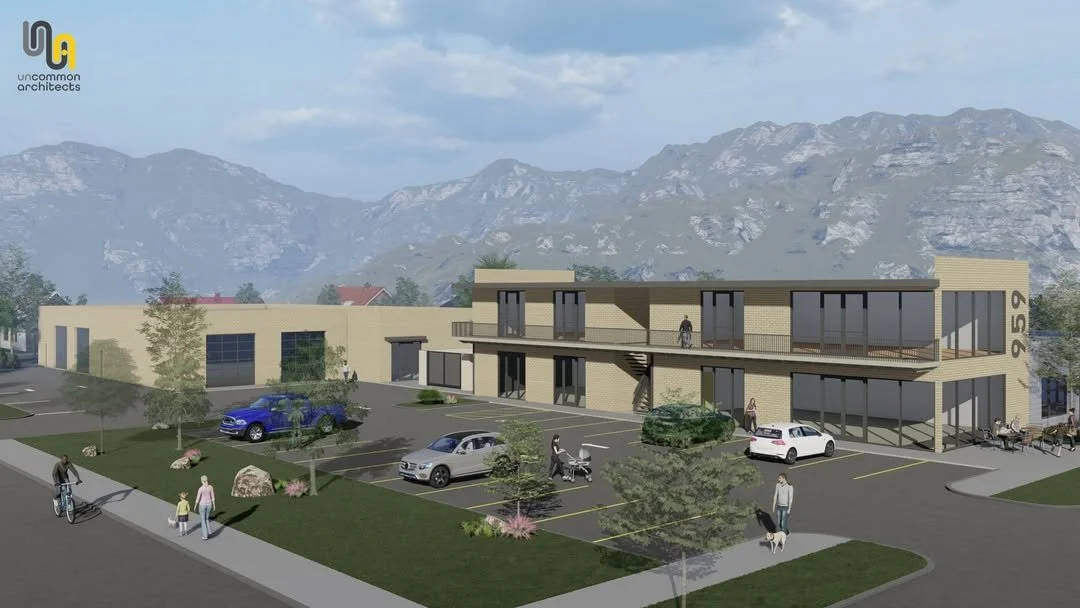
The current building at our 959 E Project compared to a look at what’s to come.
Helping Clients Feel Confident
Good design is collaborative. Clients bring goals, ideas, needs, and preferences. Architects bring expertise, creativity, and problem-solving.
Renderings help bridge those two worlds.
When clients can clearly see a design, they can respond more confidently. They can identify what feels right, ask better questions, and point out concerns earlier in the process. Maybe the entry feels perfect. Maybe a finish feels too dark. Maybe the waiting area feels more open than expected. Maybe the overall style is close—but not quite there yet.
That kind of feedback is valuable.
Rather than reacting to abstract plans, clients are responding to a visual representation of the future space. That often leads to better conversations, stronger collaboration, and a clearer path forward.
Catching Concerns Before Construction Begins
One of the biggest benefits of architectural renderings is that they can help uncover potential issues early.
Sometimes a design works well on paper, but once it is viewed in three dimensions, something needs to be adjusted. The scale may feel off. A material combination may not work as expected. A feature that sounded exciting in concept may feel too heavy, too busy, or too distracting once visualized.
Renderings make those conversations easier to have before construction begins.
That matters because changes are almost always easier—and more affordable—to make during design than during construction. When a rendering helps identify a concern before materials are ordered or walls are framed, it can save time, money, and frustration.
Creating Alignment Across the Team
Most architectural projects involve more than one decision-maker. There may be business owners, investors, contractors, consultants, boards, donors, or internal teams who all need to understand the vision.
Renderings give everyone a shared visual reference point.
They communicate design intent in a way that is clear and compelling, even for people who are not used to reading technical drawings. That can be especially helpful when a project needs approval, funding, leasing interest, or buy-in from a larger group.
A strong rendering helps everyone move in the same direction.
Supporting Material, Finish, and Interior Decisions
Renderings are also useful when selecting materials, colors, finishes, lighting, furnishings, and branded elements.
It’s one thing to talk about combining stone, wood, metal, glass, paint colors, flooring, and furniture. It’s another thing to see how those choices work together in the same space.
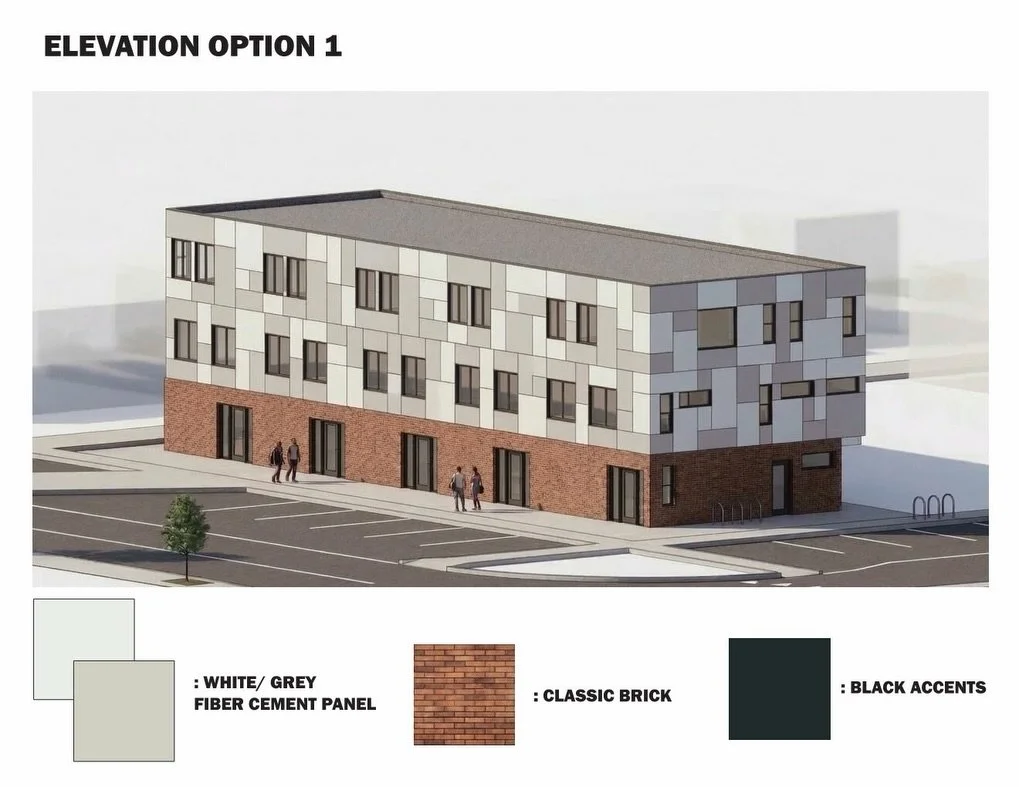
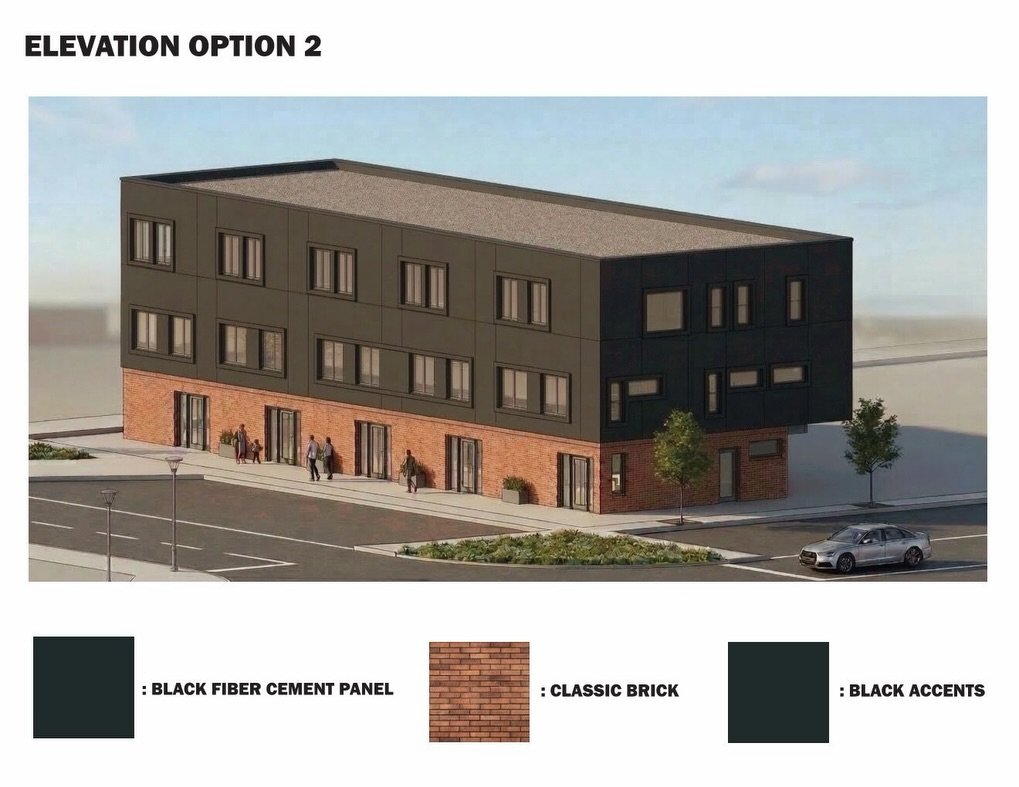
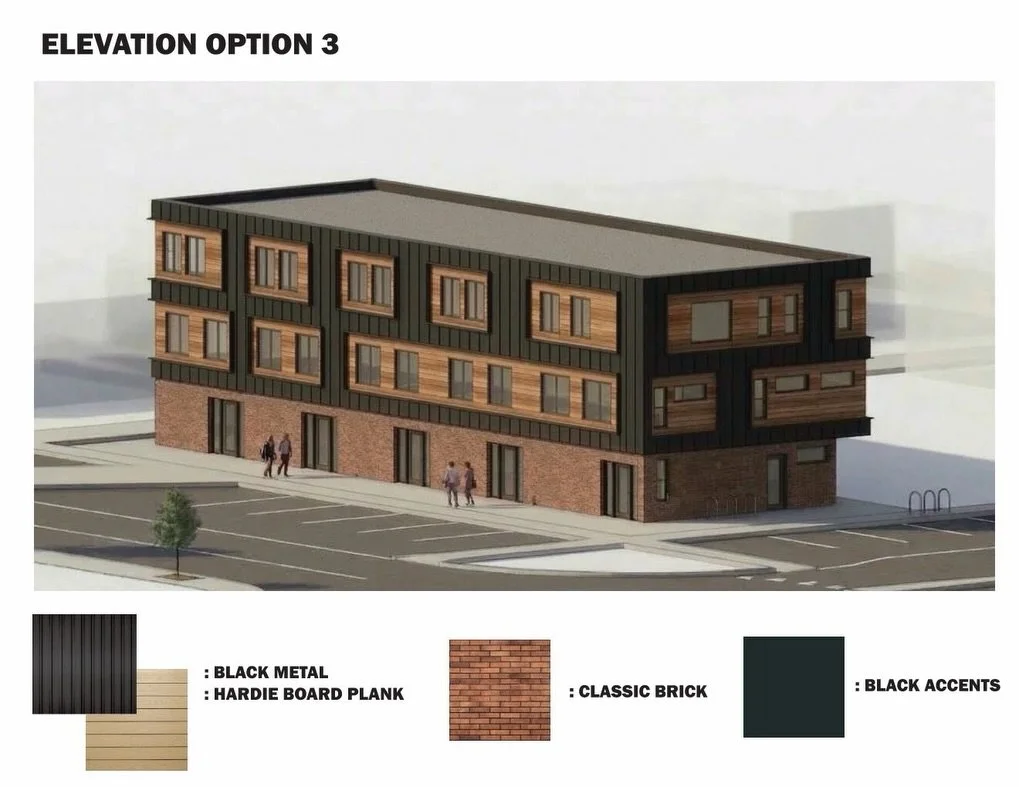
Renderings help clients evaluate the overall character of a project. Does it feel warm and welcoming? Clean and modern? Professional and polished? Comfortable and residential? Bold and energetic?
For interior spaces, that can be especially important. Lobbies, waiting rooms, offices, conference rooms, reception areas, retail spaces, and dining areas all need to function well—but they also need to feel right for the people using them.
More Than a Marketing Image
Architectural renderings can absolutely be useful for marketing, fundraising, leasing, or project announcements. They help people get excited about what is coming.
But their real value starts earlier than that.
At their best, renderings are working tools. They help test ideas, clarify details, improve communication, and support better decisions throughout the design process.
They don’t replace thoughtful planning, technical expertise, code compliance, construction documents, or coordination with engineers and contractors. Instead, they support those pieces by making the design easier to see and understand.
Architectural Renderings Give Clients a Chance to See the Future a Little Sooner
They help transform ideas into visuals, build confidence, improve communication, and create opportunities to fine-tune a project before construction begins. Whether it’s a custom home, commercial remodel, medical office, restaurant, retail space, or tenant improvement, renderings help everyone involved get on the same page.
In short, they’re not just a nice touch. They’re an important tool in the journey from concept to completed space.
Good design should be both thoughtful and understandable. Architectural renderings help make that possible—giving clients a clearer view of where their project is headed and helping turn vision into reality.
f you’re planning a project and want to better understand what your future space could look like, Uncommon Architects can help guide the process from concept to visualization to construction-ready design. Let’s connect and build something beautiful together.
