
The Modern Mountain Home: Designing for Snow, Views, and Rugged Terrain
There’s something timeless about a home set against a mountain backdrop. The air feels cleaner. The pace slows. The horizon stretches a little farther.
But designing a modern mountain home isn’t just about aesthetics. It’s about engineering, durability, and thoughtful placement. In alpine environments, beauty and performance have to work together.
Here’s how we approach it.
Designing for Snow Load (Because the Mountains Don’t Mess Around)
Snow is beautiful—until it’s sitting on your roof by the ton. In mountain regions, roof design isn’t just a stylistic decision. It’s structural strategy. Snow loads vary by elevation and microclimate, and they directly influence roof pitch, framing systems, and material selection.
Special considerations include:
Steeper roof pitches to encourage natural snow shedding
Engineered trusses or reinforced framing systems
Metal roofing for durability and snow release
Thoughtful snow retention systems over entryways and walk paths
But it’s not just about the roof. Snow accumulation impacts decks, overhangs, and even how a home meets the ground. Structural planning must account for drifting patterns, ice dams, and freeze-thaw cycles.
A modern mountain home should look effortless—but behind that clean roofline is serious structural intention.
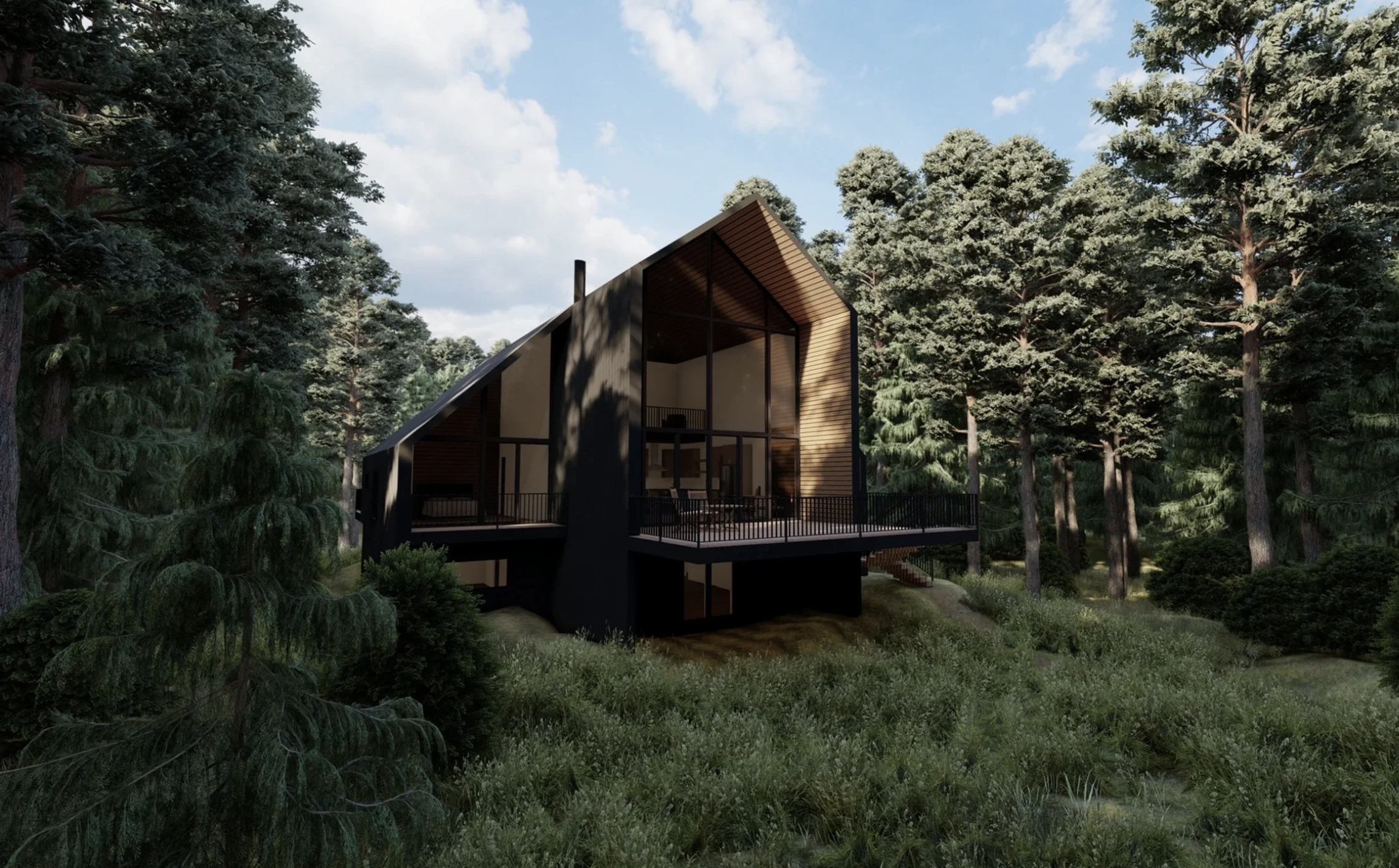
Muir Cabin. Image via Uncommon Architects.
Alpine Design: Modern, Warm, and Built to Last
“Mountain modern” has become a popular phrase, but true alpine design is more than black window frames and exposed beams. At its core, alpine design respects the environment. It acknowledges that weather is extreme, seasons are dramatic, and materials need to perform under pressure.
The best designs lean into:
Natural stone and wood that age beautifully
Durable exterior cladding designed for freeze-thaw resilience
Deep overhangs that protect from both summer sun and winter storms
High-performance insulation and airtight construction
In places like Park City, Heber Valley, or the Cottonwood Canyons, temperature swings can be intense. A well-designed envelope isn’t optional—it’s essential. Insulation, air sealing, and high-efficiency glazing work together to keep interiors warm when temperatures dip and comfortable when the summer sun hits high elevations.
The goal? A home that feels like refuge—warm, grounded, and solid—without sacrificing a clean, contemporary aesthetic.

Astoa Etxea in New Harmony, Utah. Image via Uncommon Architects.
Maximizing Views Without Sacrificing Performance
Let’s be honest: no one builds in the mountains to stare at drywall. Views are everything. But glass is also one of the most thermally vulnerable elements in a home.
The challenge is to frame the landscape without compromising energy efficiency or comfort. Starting with strategic orientation to capture long-range views and optimal sunlight, great views are further enhanced with carefully sized window groupings instead of over-glazing, high-performance, low-E systems, and thoughtful shading to reduce glare and overheating.
It’s not just about adding bigger windows—it’s about placing them intentionally. A well-framed view becomes a living piece of art. A poorly placed wall of glass becomes a thermal liability.
When done right, interior spaces feel connected to the outdoors year-round—whether you’re watching fresh snowfall settle across a ridge or catching the last light on a summer evening.
Site-Responsive Design: Let the Land Lead
Modern mountain homes work best when they don’t fight the rugged terrain. Steep slopes, rocky soils, and irregular lot lines demand creativity. Instead of forcing a flat, suburban footprint onto a mountainside, we study the topography and let it inform the form.
This can mean:
Stepped foundations that follow the natural grade
Walk-out lower levels that blend into the hillside
Terraced outdoor spaces that feel organic to the slope
The result is a home that feels anchored—like it belongs exactly where it sits.
A Home That Performs as Beautifully as It Looks
Mountain architecture should feel bold but not loud. Modern but not cold. Strong but welcoming. The best modern mountain homes don’t just survive the alpine environment—they thrive in it. They carry snow loads confidently. They withstand freeze-thaw cycles. They capture views with intention. And they create interiors that feel like sanctuary. When structure, material, and landscape are in harmony, something special happens.
The home becomes part of the mountain—not just something built on it.
Got a project in mind—mountain home or otherwise? We’d love to partner with you. Reach out and let’s build something beautiful together.
