
Designing Cultural Institutions Part Three: Galleries
Galleries often appear simple, but their architecture is some of the most intentional in the built environment. These spaces must fade into the background while still shaping perception, emotion, and flow.
Here’s how architects design galleries that support creativity, community, and discovery.
Creating a Neutral Canvas
A gallery’s architecture should elevate the artwork—not overshadow it. Effective gallery design blends neutral, consistent material palettes; calm, streamlined detailing; strong yet subtle spatial character, and flexible walls and open plans.
Take the Kimball Art Center in Park City. Its hybrid of industrial forms, clean lines, and warm materials creates a perfect balance between personality and neutrality.
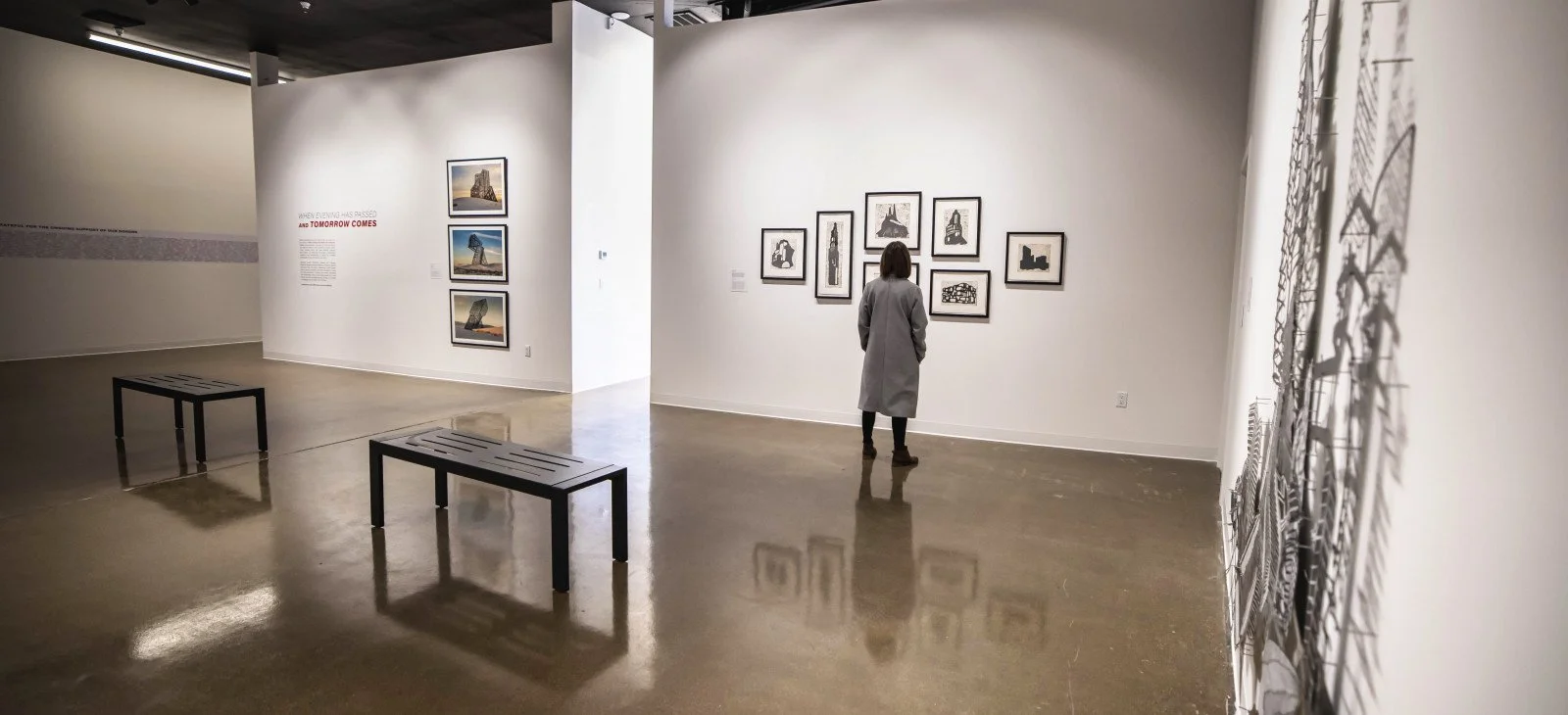
Kimball Art Center in Park City, Utah. Image via Kimball Art Center at https://kimballartcenter.org/
Lighting as the Primary Design Tool
Light defines a gallery more than any other element. It controls mood, highlights texture, and reveals detail. Architectural lighting strategies often include movable track lighting for precision, ceiling-integrated fixtures for clean aesthetics, adjustable beam angles to emphasize individual works, UV-filtered daylight where appropriate, and louvered clerestories to soften glare.
Spatial Flexibility and Curatorial Freedom
Galleries must accommodate a vast spectrum of artwork—from small prints to immersive installations. Design considerations include high ceilings for large-scale works, removable or reconfigurable partitions, reinforced walls for heavy pieces, easily accessible power/data for interactive media, and durable floors that withstand foot traffic and installation equipment.
Flexibility empowers curators to evolve programming without structural limitations.
Incorporating Community and Social Space
Today, galleries serve as community touchpoints as much as exhibition spaces. Thoughtful design extends their impact. To achieve this, architects integrate, lounges or discussion areas, maker or workshop spaces, lecture or event rooms, and even retail components that complement curation.
Outdoor zones for are also incorporated to facilitate gatherings, art markets, and other local events.
Sustainability + Material Stewardship
Galleries are increasingly embracing sustainability as part of their identity. In Utah’s climate, sustainable design is particularly valuable for balancing energy performance with comfort.
Through the use of low-VOC paints and natural materials, high-efficiency LED lighting systems, high-performance envelopes to stabilize interior environments, and durable finishes designed for long-term use, galleries are making an impact not just on the visitors inside them, but also on the world around them.
Closing Thought
Galleries thrive when architecture supports curiosity and connection. With the right balance of neutrality, flexibility, lighting, and community presence, these spaces become catalysts for creativity—inviting visitors to slow down, look closer, and engage more deeply.
Feeling inspired to start your net project? Get in touch, and let Uncommon Architects help you bring your space to life.
